

Featured in this post


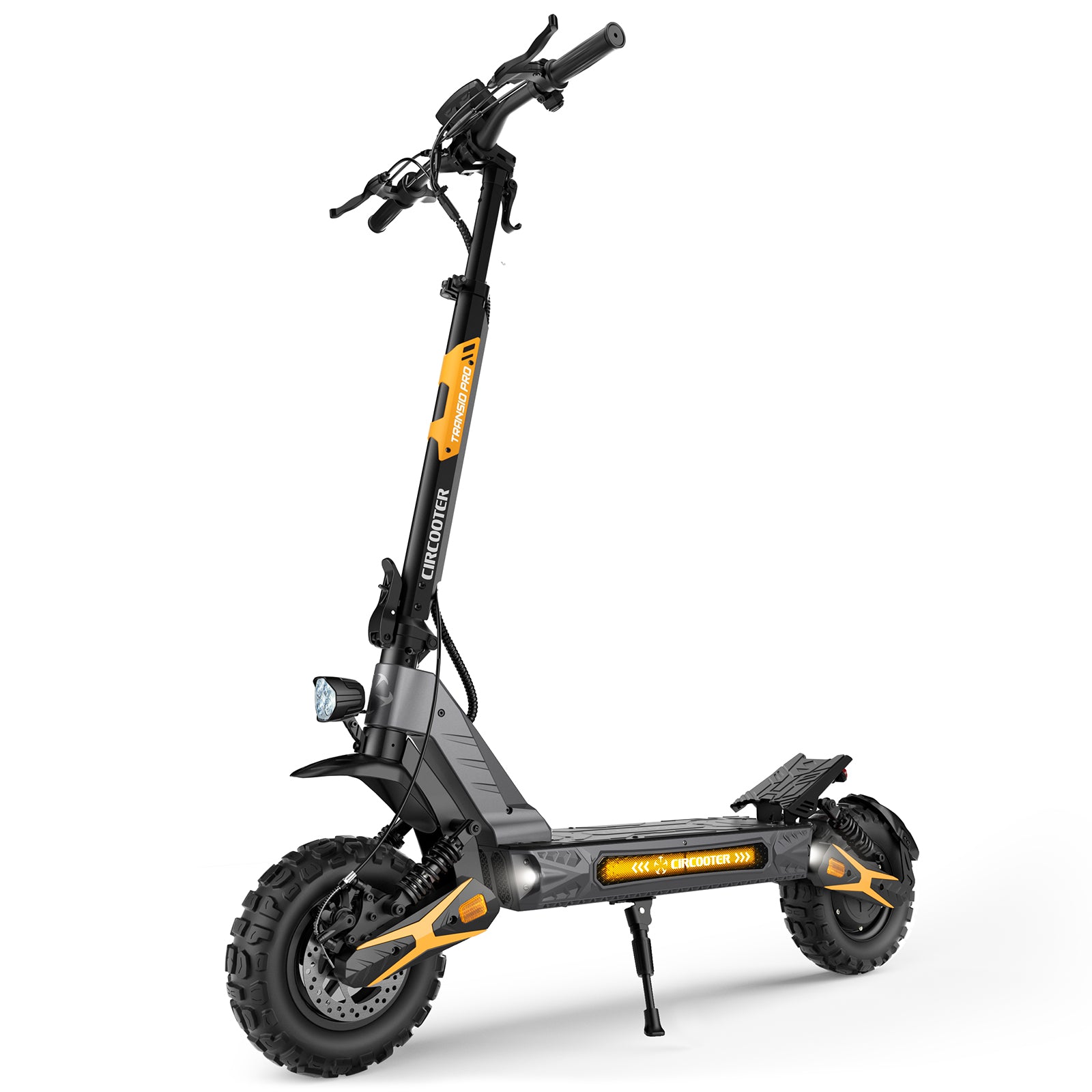
64KM
624WH
1000W
45 KM/H

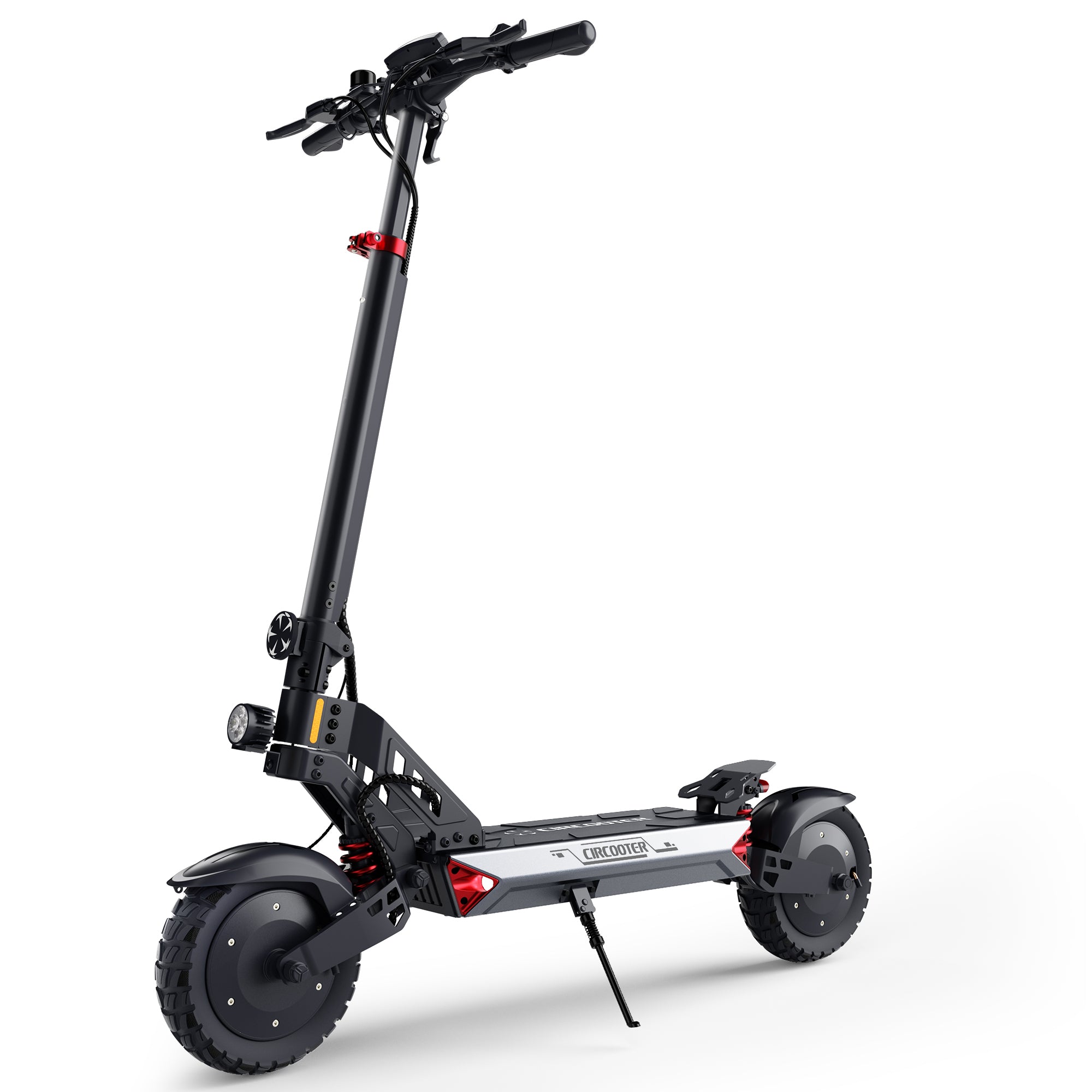
75KM
749WH
1500W
52 KM/H
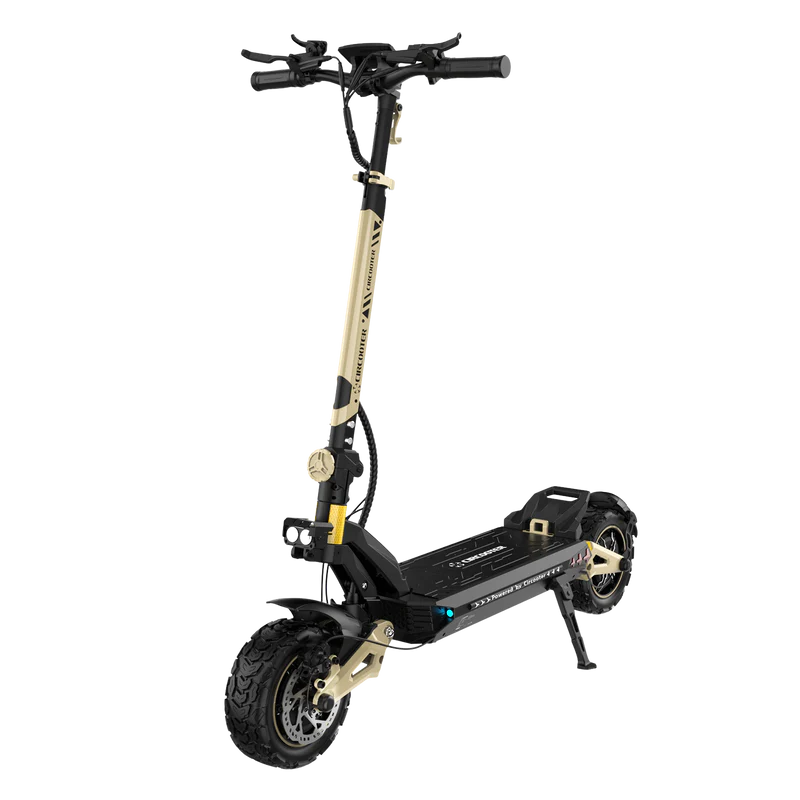

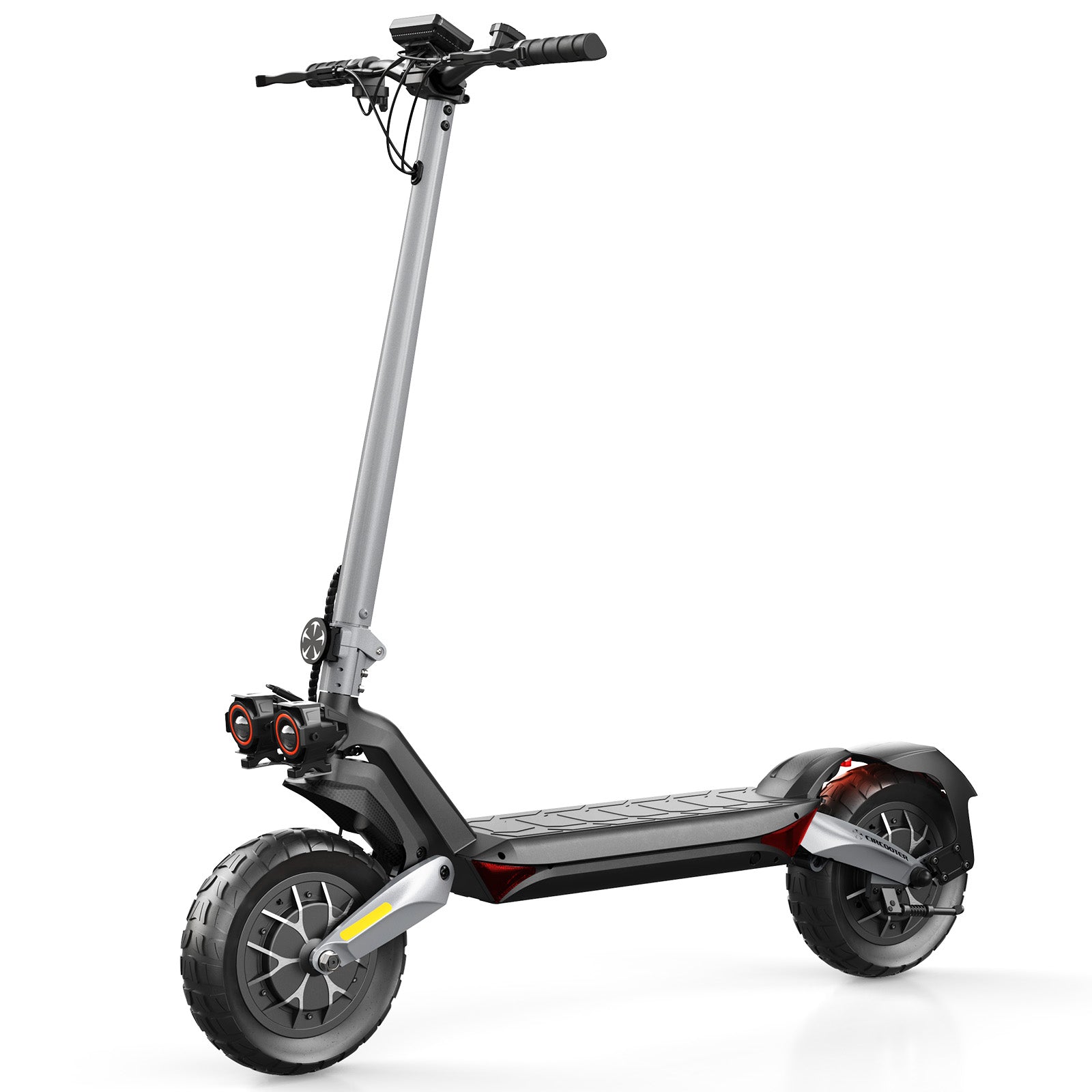
90KM
960WH
2400W
60KM/H
Introduction : Pourquoi l'entretien hivernal est important pour les trottinettes électriques
Les températures froides, les routes mouillées, le sel de voirie et la réduction de la luminosité font de l'hiver l'une des saisons les plus exigeantes pour les trottinettes électriques. L'efficacité de la batterie diminue, les distances de freinage augmentent et l'humidité peut endommager discrètement les composants électriques si un entretien approprié n'est pas effectué.
La bonne nouvelle est que l'entretien hivernal ne nécessite pas d'outils compliqués ou de mises à niveau coûteuses. Avec de bonnes habitudes quotidiennes et des méthodes de stockage adéquates, votre trottinette électrique peut rester sûre, fiable et efficace tout au long des mois froids.
Ce guide se concentre sur les domaines d'entretien hivernal les plus importants : la protection de la batterie, la sécurité des pneus, la performance de freinage, l'étanchéité, le nettoyage et le stockage approprié.
1. Entretien de la batterie en hiver : Protéger les performances et la durée de vie
Le froid a le plus grand impact sur les batteries au lithium. À mesure que les températures baissent, la résistance interne augmente et la capacité utilisable diminue. C'est pourquoi l'autonomie en hiver est naturellement plus courte.
Règles essentielles pour la batterie en hiver
-
Ne jamais charger une batterie gelée
Laissez toujours la batterie atteindre la température ambiante pendant 30 à 60 minutes avant de la charger. -
Stockez la batterie à l'intérieur chaque fois que possible
Une exposition prolongée à des températures glaciales réduit la capacité de manière permanente. -
Évitez la décharge profonde en hiver
Essayez de maintenir les niveaux de charge au-dessus de 20 % lors d'une utilisation quotidienne. -
Attendez-vous à une perte d'autonomie temporaire
Ceci est normal et se rétablit lorsque les températures augmentent.
Si votre trottinette permet de retirer la batterie, la stocker à l'intérieur après chaque trajet est l'une des meilleures habitudes de protection hivernale que vous puissiez adopter.
2. Sécurité et adhérence des pneus sur les routes froides
Les surfaces hivernales réduisent considérablement l'adhérence. Le pavé mouillé, les feuilles mortes, le gel, le sable et la glace invisible augmentent tous le risque de glissade.
Liste de contrôle de la sécurité des pneus
- Vérifiez la pression des pneus chaque semaine (l'air froid diminue rapidement la pression)
- Inspectez régulièrement la profondeur de la bande de roulement pour une bonne évacuation de l'eau
- Réduisez la vitesse de conduite par temps froid ou humide
Évitez les surfaces métalliques telles que les plaques d'égout, les marquages routiers peints et les ponts — ils gèlent en premier et deviennent extrêmement glissants.
3. Performance de freinage par temps froid et humide
Les freins travaillent plus dur en hiver et s'usent plus rapidement en raison de l'humidité et des débris de la route.
Ce qu'il faut inspecter régulièrement
- L'épaisseur des plaquettes de frein et le motif d'usure
- Le mouvement fluide du câble de frein ou de la conduite hydraulique
- Une réponse de freinage ferme et prévisible avant chaque trajet
Le sel de voirie et l'humidité accélèrent la corrosion, il est donc essentiel de maintenir les composants de freinage propres pour la sécurité.
4. Imperméabilisation et protection contre l'humidité
Même les trottinettes résistantes à l'eau ne sont pas conçues pour une exposition constante à l'humidité hivernale. Avec le temps, l'intrusion d'eau peut endommager les connecteurs, les contrôleurs et les capteurs.
Conseils de protection contre l'humidité
- Évitez de rouler dans les flaques profondes, la gadoue ou les bancs de neige
- Séchez toutes les surfaces exposées après des trajets humides
- Gardez les ports de charge propres et complètement secs avant de les brancher
- Appliquez un léger spray antirouille sur les boulons métalliques exposés si nécessaire
Le séchage quotidien est simple mais extrêmement efficace pour prévenir les problèmes électriques à long terme.
5. Nettoyage hivernal : Prévenir les dommages causés par le sel et la corrosion
Le sel de voirie est l'un des éléments les plus corrosifs que votre trottinette rencontrera.
Méthode de nettoyage hivernal sûre
- Utilisez un chiffon humide au lieu d'un jet d'eau direct à haute pression
- Essuyez le plateau, les roues, les joints du cadre et les zones de freinage
- Séchez immédiatement après le nettoyage
- Ne jamais vaporiser d'eau directement sur les moyeux de moteur ou les boîtiers de contrôleur
Un rapide coup de chiffon après les trajets humides peut prolonger considérablement la durée de vie des composants mécaniques et électriques.
6. Habitudes de conduite hivernale qui protègent votre trottinette
La façon dont vous conduisez en hiver affecte l'usure autant que l'entretien.
- Accélérez en douceur pour protéger le moteur et la transmission
- Augmentez la distance de sécurité pour un freinage plus sûr
- Évitez les virages brusques sur chaussée mouillée
- Roulez doucement les premières minutes pour réchauffer les composants internes
- Raccourcissez la durée du trajet par temps extrêmement froid chaque fois que possible
Une conduite souple réduit le stress sur les batteries, les roulements et les systèmes de freinage.
7. Stockage hivernal approprié : Quotidien ou à long terme
Stockage quotidien (conduite hivernale active)
- Rangez à l'intérieur chaque fois que possible
- Maintenez la batterie au-dessus de 30 %
- Évitez les garages glacials
Stockage à long terme (plusieurs semaines ou plus)
- Nettoyez entièrement avant le stockage
- Stockez la batterie à 50-70 % de charge
- Gardez-la dans une pièce sèche et à température stable
- Rechargez-la toutes les 4 à 6 semaines
Un stockage hivernal correct prévient la perte de capacité, la corrosion et la dégradation électronique.
Dernières réflexions : La conduite hivernale commence par un entretien intelligent
L'hiver ne doit pas mettre fin à la saison de votre trottinette électrique. Avec une protection appropriée de la batterie, un nettoyage régulier, des vérifications minutieuses des freins et un stockage intelligent, votre trottinette peut rester fiable et sûre tout au long des mois les plus froids. Un bon entretien hivernal ne concerne pas seulement les performances, il s'agit de protéger votre investissement et de prolonger la durée de vie de votre machine.
Circooter — Continuez à explorer le monde. Même en hiver.


Laisser un commentaire
Ce site est protégé par hCaptcha, et la Politique de confidentialité et les Conditions de service de hCaptcha s’appliquent.