

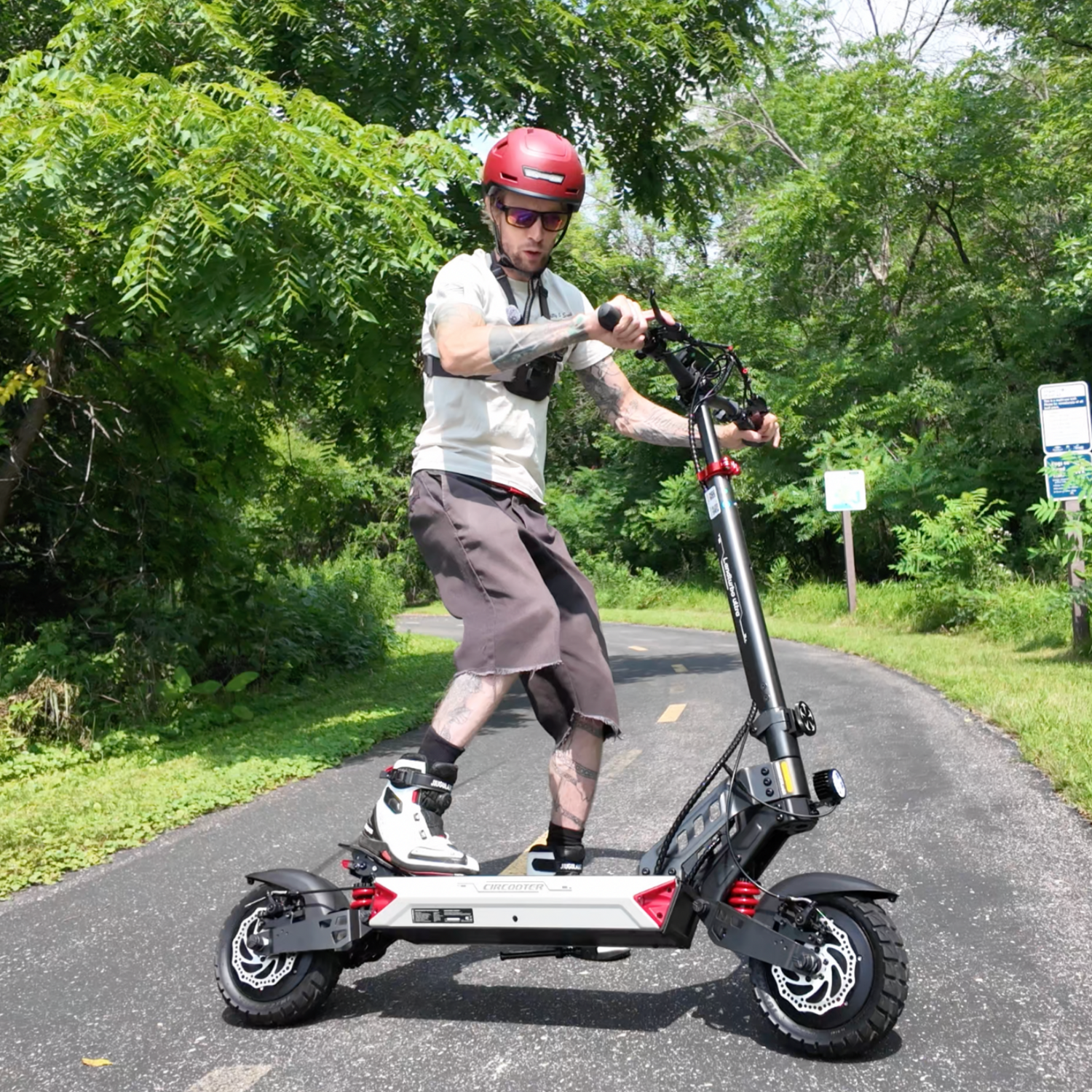
Two Wheels, One City: Which Ride Actually Wins?
If you're commuting through dense traffic, an electric scooter usually wins on cost, parking, and simplicity, while a motorcycle wins on speed and long-distance range. Neither is "better" across the board. It depends on how far you travel, where you park, and how much you want to spend keeping it running. For most short city trips, though, the scooter has a real edge, and that's worth unpacking before you commit to either one.
Comparing the Real Costs of Ownership
Transportation costs add up fast, and this is usually where the decision gets made.
Upfront Price and Financing
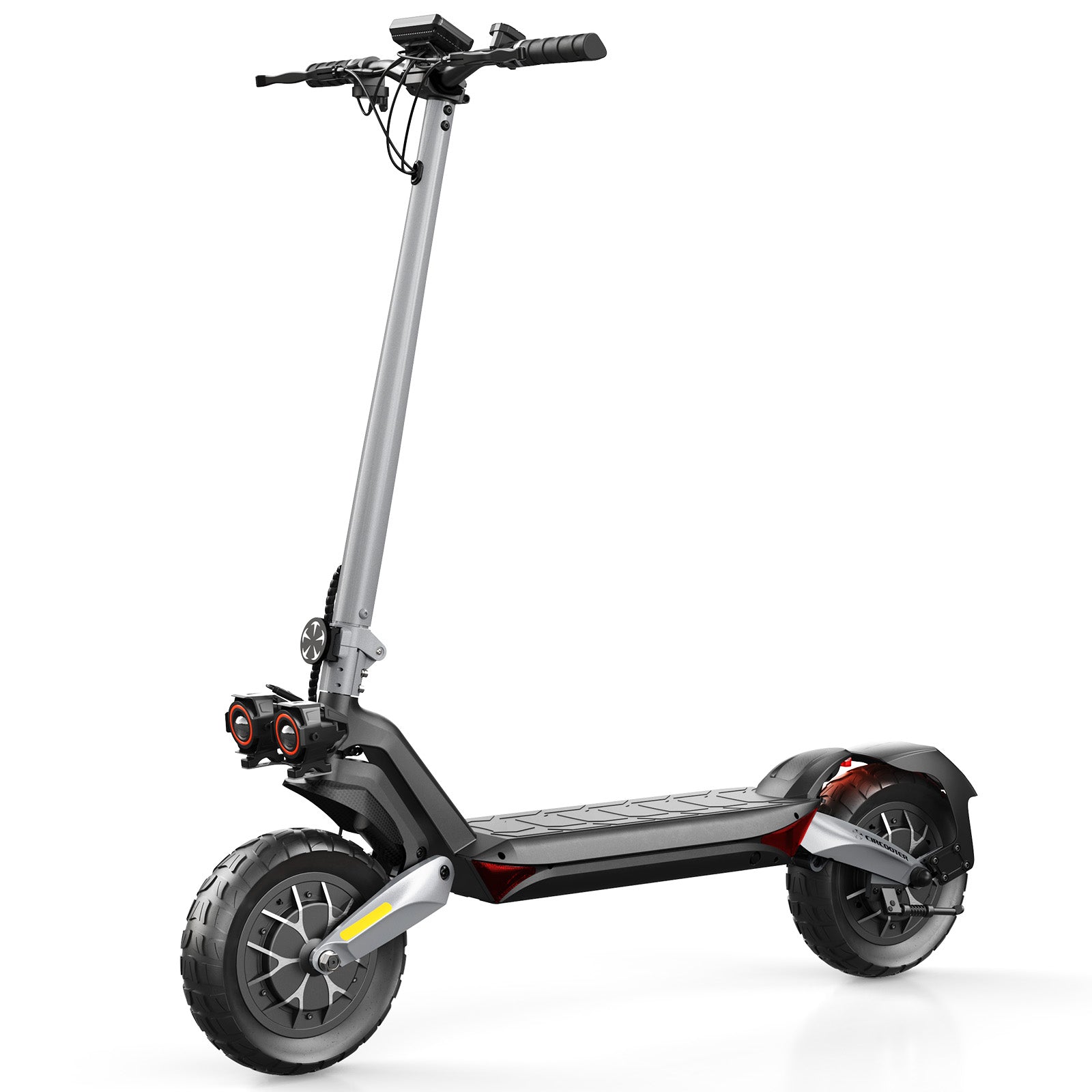
A new motorcycle, even an entry-level one, often starts around CAD $7,000 and climbs quickly with insurance and registration fees layered on top. Electric scooters built for daily riding, like the Landturbo, typically cost a fraction of that, with no motorcycle license fees or the same insurance premiums attached in most provinces.
Fuel, Charging, and Upkeep
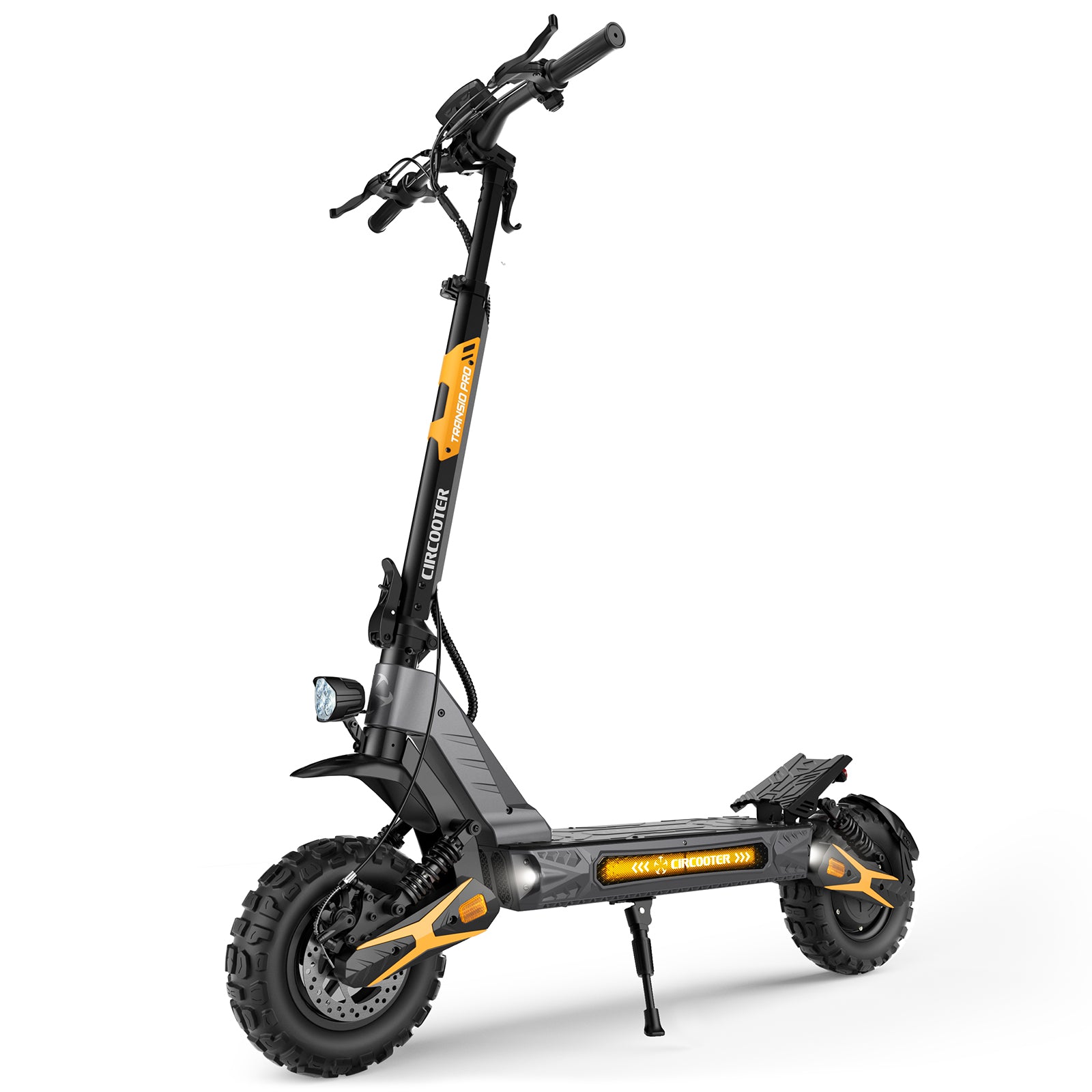
Gas prices in most Canadian cities make a motorcycle commute a recurring expense. An electric scooter charges from a standard wall outlet for pennies per charge. Maintenance follows the same pattern: motorcycles need oil changes, chain adjustments, and more frequent shop visits, while scooters like the Landturbo Pro mostly need tire checks and the occasional brake inspection.
Which One Handles City Streets Better?

Urban transportation isn't just about speed. It's about maneuvering, parking, and getting where you're going without a headache.
Speed and Traffic Flow
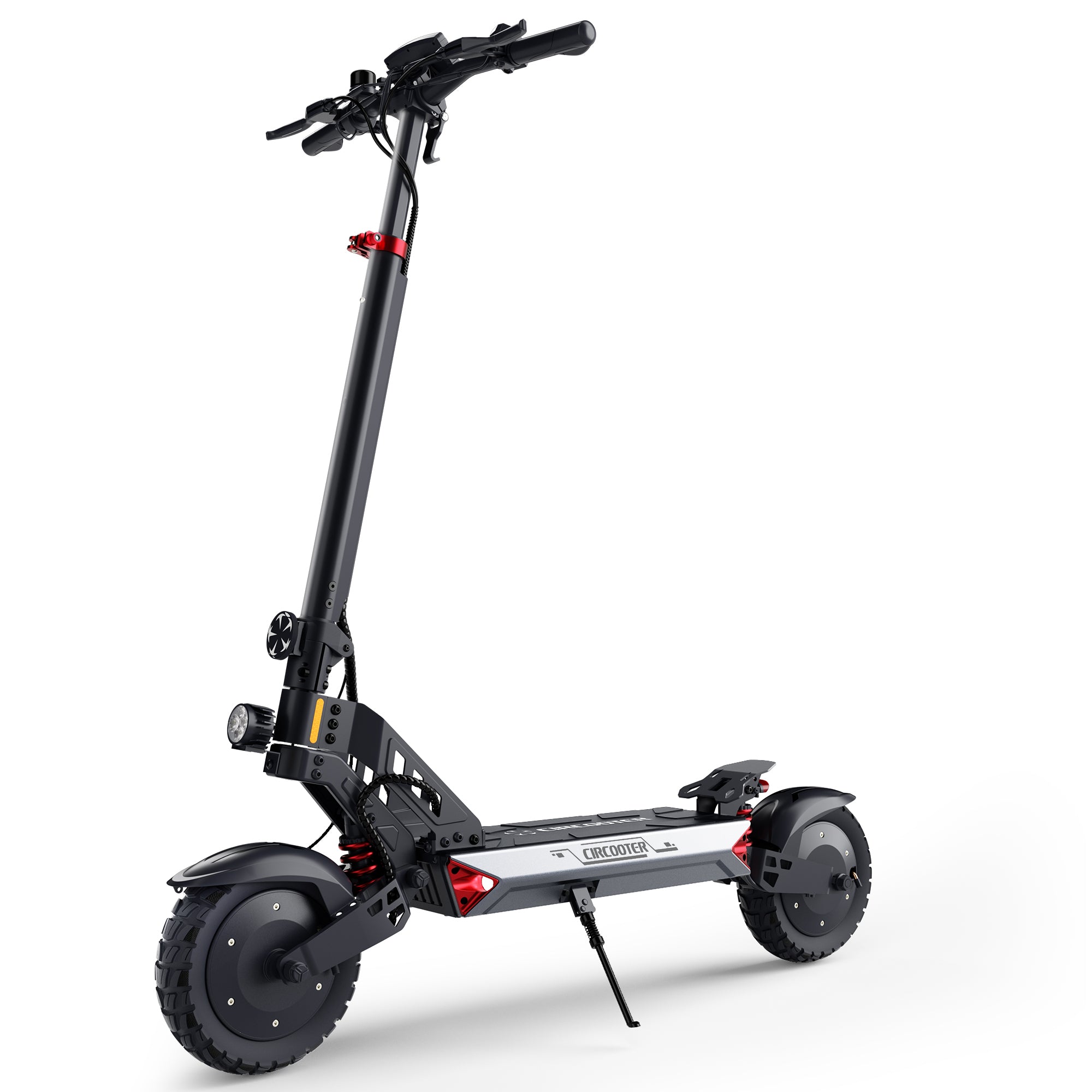
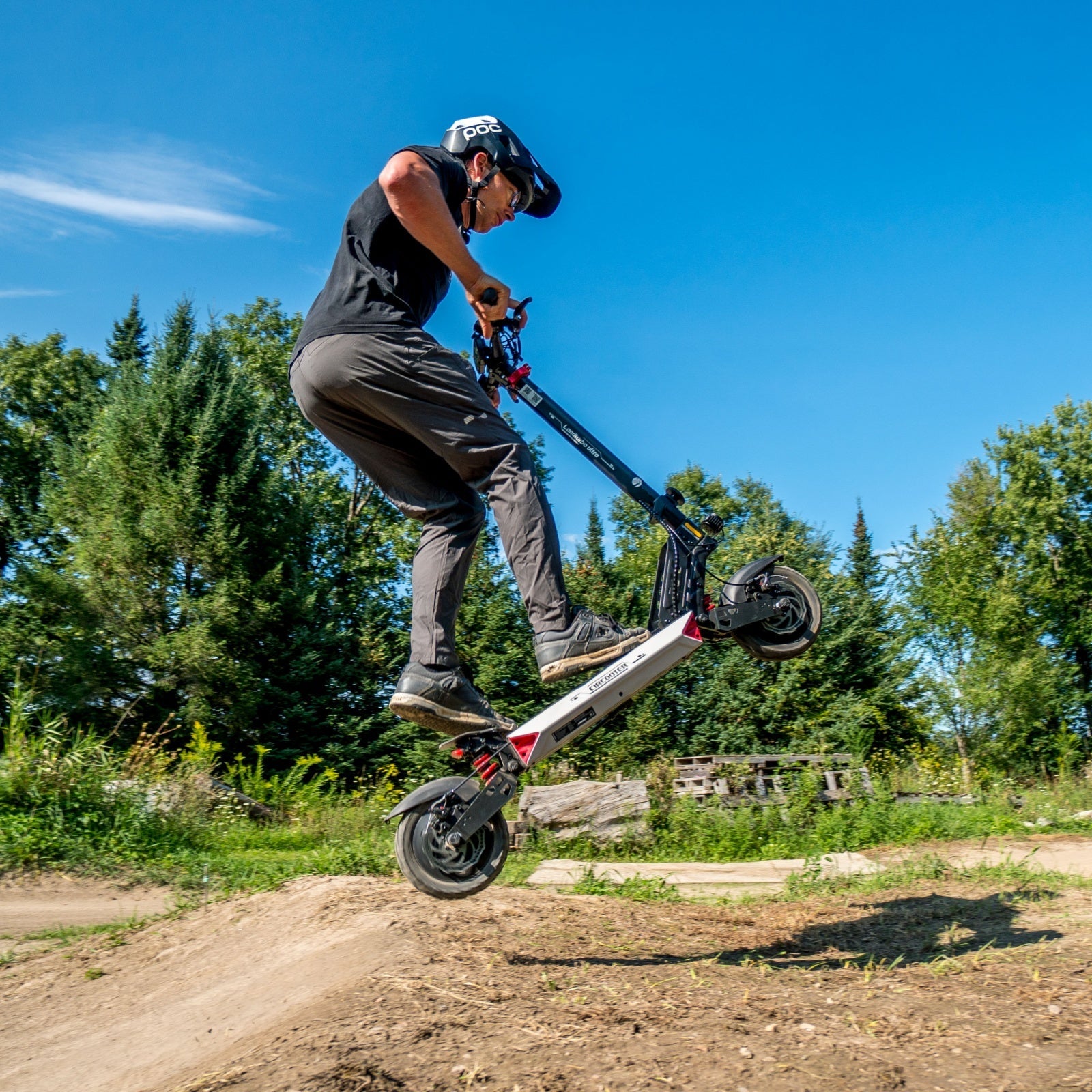
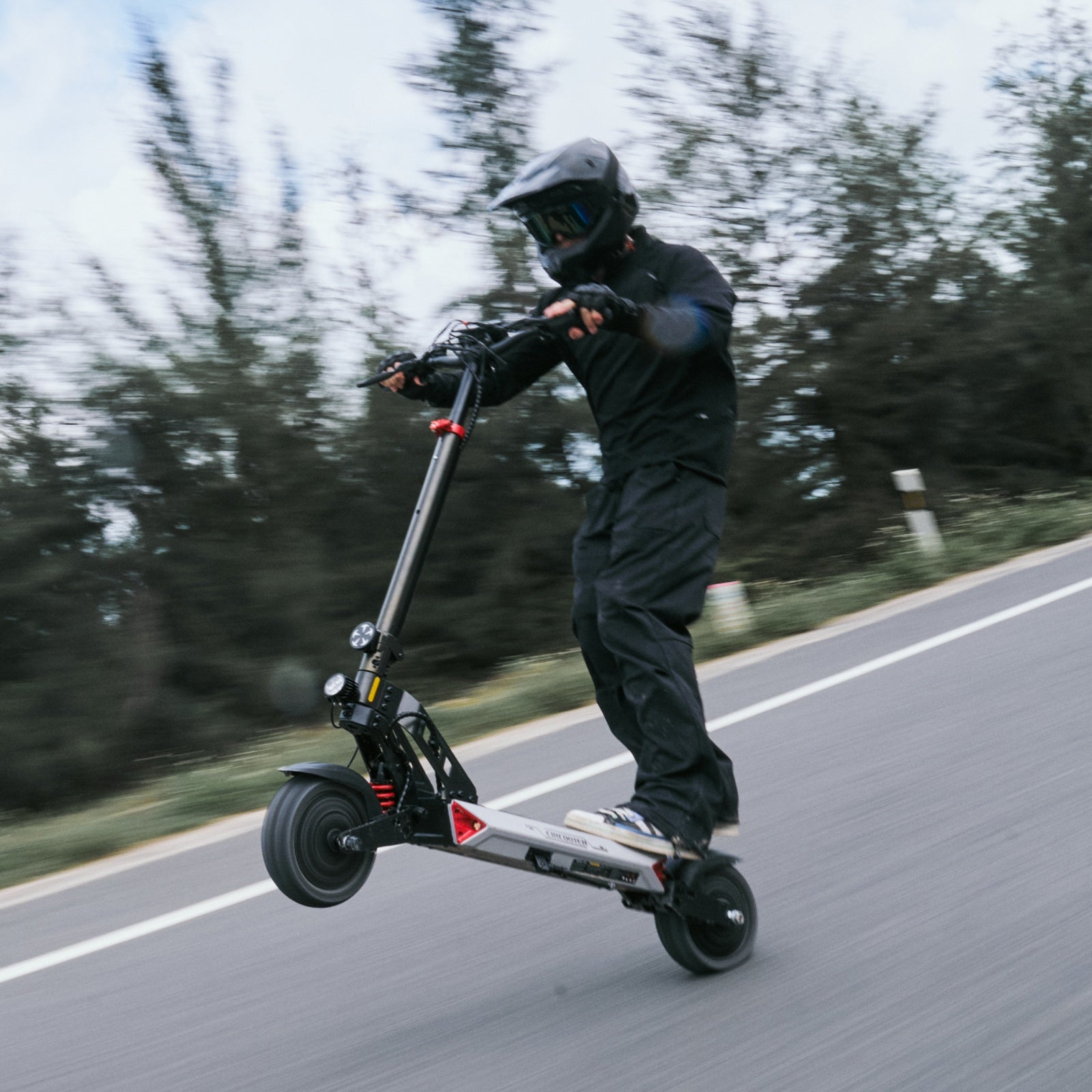
Motorcycles are faster on open roads and highways, which matters if your commute includes stretches outside the city. But inside downtown grids, in places like Toronto's Financial District or Vancouver's Gastown, that speed advantage disappears in stop-and-go traffic. A scooter with a strong motor, like the Landturbo Ultra, keeps pace just fine at city speeds of 45–56 km/h.
Parking and Storage
This is where scooters pull ahead clearly. Motorcycles need a dedicated parking spot or a motorcycle-specific space, which isn't always available in busy downtown areas. A folding electric scooter can come inside your office, apartment, or even a subway car, something no motorcycle can do.
Licensing, Rules, and the Learning Curve
Motorcycles require a motorcycle license or endorsement in nearly every province, plus a safety course in many cases. That's a real time investment before you can even ride. Most electric scooters don't require that step, so you can start commuting almost immediately. If you're curious about how scooter suspension and build quality affect ride comfort on uneven city pavement, this comparison of brake systems on high-performance scooters covers it in more depth.
Quick Comparison Checklist
Upfront cost - Scooters are significantly cheaper to buy.
Running costs - Scooters win on charging versus gas and lower maintenance needs.
Top speed - Motorcycles win, especially outside city limits.
Parking - Scooters are easier to store almost anywhere.
Licensing - Scooters typically require less paperwork and training.
So, Which Should You Choose for Your Commute?
If your commute is mostly local, under 25–30 km a day, and you're tired of hunting for parking, an electric scooter is the more practical urban transportation pick. If your daily ride includes highway stretches or longer distances between stops, a motorcycle's range and speed start to matter more. Motor and range differences are also worth comparing ahead of time, and this breakdown of 1600W versus 2400W scooter models is a useful read if you're weighing distance against convenience.
The Bottom Line for City Commuters
There's no universal winner here, only a better fit for your specific commute. Electric scooters make the most sense for riders who want low costs, easy parking, and a shorter learning curve. Motorcycles still make sense for longer routes and higher speeds. Weigh your actual daily distance and parking situation before deciding, since that's what really separates the two.
What Riders Want to Know
Is an electric scooter cheaper than a motorcycle long-term?
Yes, in most cases. Lower charging costs and simpler maintenance mean scooters typically cost less to own over time.
Do I need a license to ride an electric scooter in the city?
Requirements vary by province and municipality, but most electric scooters don't require a motorcycle license or endorsement.
Can an electric scooter keep up with city traffic?
Higher-powered models can comfortably match typical city traffic speeds, though they aren't built for highway travel.
Which is easier to park in a busy downtown area?
Electric scooters are easier to park, since many models fold and can be stored indoors or in small spaces.
Is a motorcycle better for longer commutes?
Generally yes. Motorcycles offer more range and higher sustained speeds, which helps on longer or highway-inclusive commutes.

Laisser un commentaire
Ce site est protégé par hCaptcha, et la Politique de confidentialité et les Conditions de service de hCaptcha s’appliquent.