

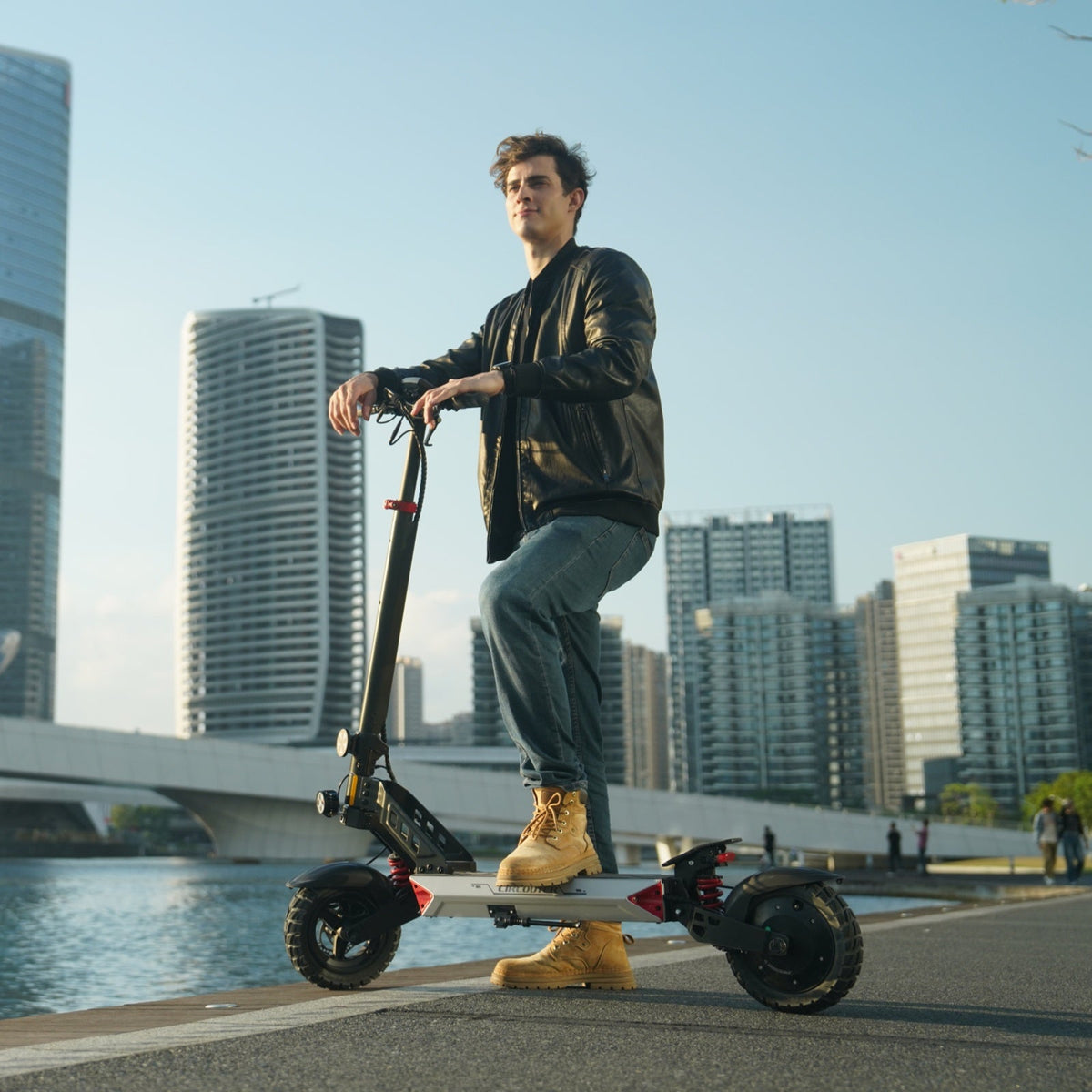
What That IP Number on Your Scooter Actually Means
An electric scooter's IP rating tells you how well it's sealed against water and dust, and for most riders the number to know is the second digit: IPX4 means splash resistant from any direction, while IPX5 can handle a steady stream of water, like a light hose spray, without letting moisture reach the electronics. Neither rating means a scooter is fully waterproof. It just means the manufacturer has tested how much water exposure the internal components can take before something goes wrong. Once you know what the numbers mean, picking a scooter for wet climates or year-round commuting gets a lot easier.
Below, we'll break down what IPX4 vs IPX5 actually covers, which CIRCOOTER models carry which rating, and a few simple habits that protect your scooter no matter the rating on the box.
What Do the Numbers in an IP Rating Actually Mean
IP stands for Ingress Protection, and the rating is really two numbers in one. The first digit (0 to 6) covers protection against solid objects like dust and debris. The second digit (0 to 9) covers protection against water. Since dust protection rarely comes up in scooter marketing, most brands just list the water number and call it, for example, an IPX4 or IPX5 rating. Higher numbers mean more protection, but the scale isn't linear, each level tests a different kind of exposure rather than simply "more water."
Waterproof Electric Scooter: What the Rating Doesn't Cover
It's worth saying clearly: no electric scooter on the market today is fully waterproof. Water resistance and waterproofing aren't the same thing, and even a well-sealed scooter isn't built to be submerged, ridden through deep puddles, or left out in a storm. This is something worth remembering during a wet Vancouver autumn or a slushy Toronto spring. The battery compartment, motor housing, and display are usually the most protected parts, while charging ports and connectors tend to be the most vulnerable if water gets in. CIRCOOTER's own water resistance guide goes deeper into this distinction if you want the full picture before your next rainy commute.
IPX4 vs IPX5: What's the Real Difference
Here's how the two ratings compare in practical, everyday terms:
IPX4 protects against splashes from any direction — think light rain, wet roads, and puddle splash-back from other vehicles.
IPX5 protects against low-pressure water jets, which covers steadier rain, a garden hose rinse, or riding through a longer wet stretch without worry.
Both ratings assume the scooter is upright and moving, not parked in standing water or ridden through deep flooding.
Neither rating protects against submersion, so a puddle deeper than the wheel hubs is still a risk regardless of the number on the spec sheet.
Which CIRCOOTER Models Have Which Rating
Water resistance varies across the CIRCOOTER lineup depending on the model:
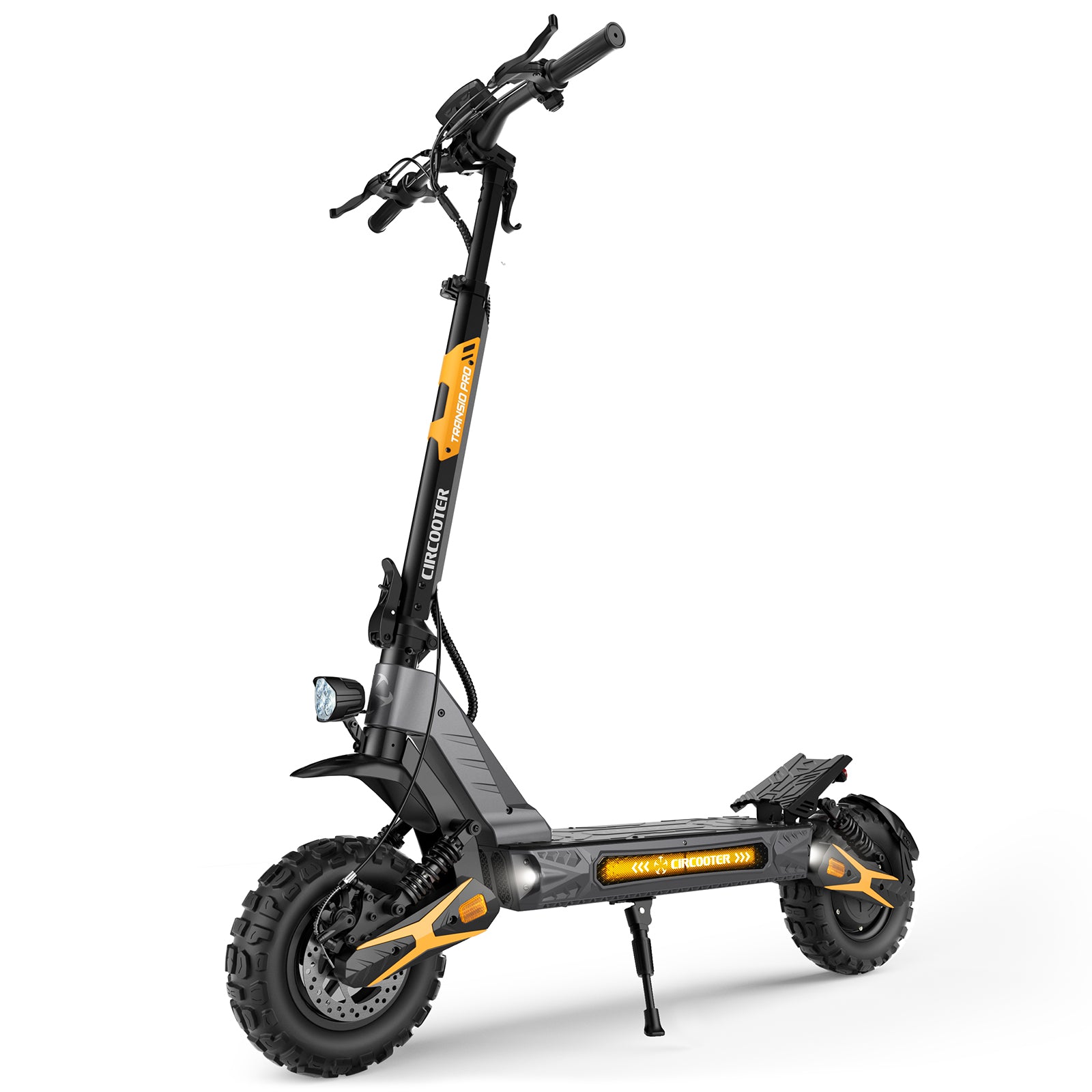
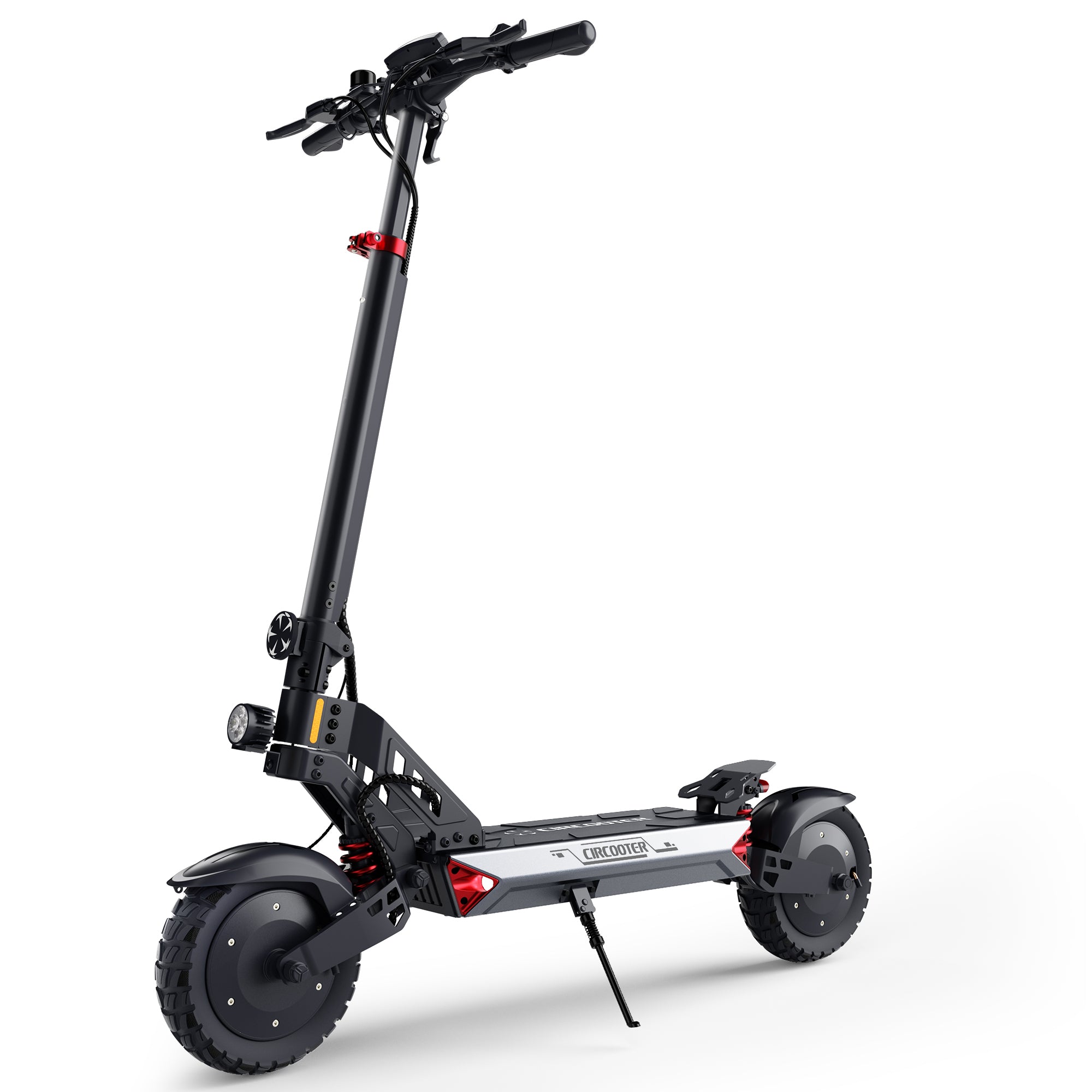
The Landturbo and Landturbo Pro are both rated IPX5, with a water-resistant LED display built to stay readable in steady rain.
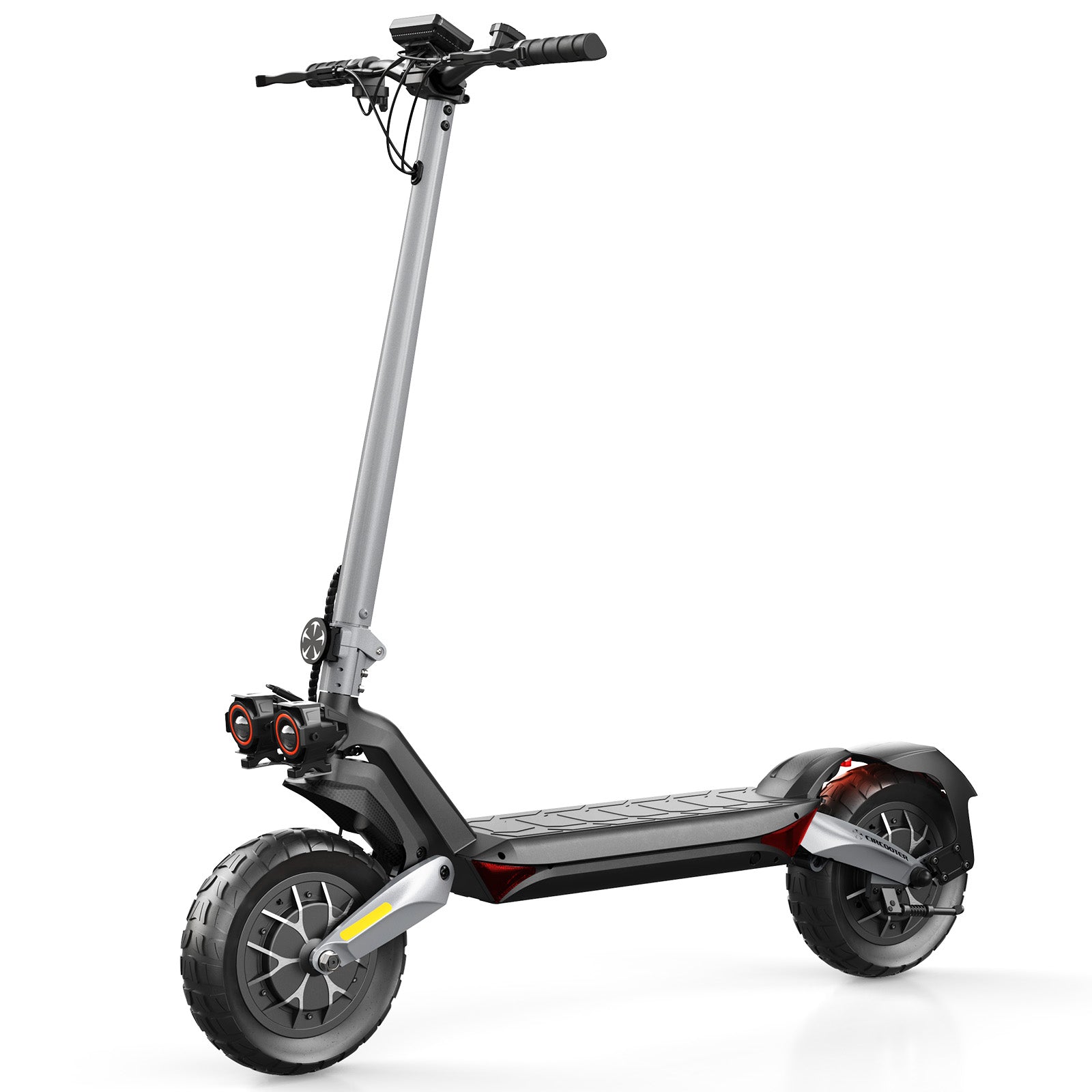
The Raptor Pro carries an IPX4 rating, built to handle splashes and light rain on both city streets and trails.
Riders who ride in wetter climates year-round, from coastal BC to the Maritimes, often compare IPX5 models side by side before choosing.
None of this means one rating is simply "better" across the board, it depends on how often you're riding in wet conditions versus occasional drizzle.
Scooter Weather Protection Beyond the IP Rating
An IP rating only covers water resistance, not everything that affects how a scooter handles weather. Tire tread, suspension, and brake response all matter just as much once the roads get wet, since a scooter can be well-sealed and still feel unstable on slick pavement if the tires or brakes aren't built for it. All-terrain tires with deeper tread tend to hold a line better on wet asphalt than smooth commuter tires, and dual disc brakes generally respond more predictably than single-brake setups once the road surface changes. That's why it's worth looking at the whole scooter, not just the spec sheet's water rating, before riding through a wet season.
How to Protect Your Scooter in Wet Weather

A few habits go a long way regardless of what rating your scooter carries:
Avoid parking or riding through standing water deeper than the wheel hubs.
Dry the charging port and display before charging after a wet ride.
Check brake response before riding at speed on wet pavement, since stopping distance changes on slick surfaces.
Store the scooter indoors or under cover when it's not in use, especially during longer stretches of wet weather.
If you're planning to ride through an entire wet season rather than the occasional shower, CIRCOOTER's winter riding guide covers battery care and traction tips that go beyond just water resistance.
Picking the Right Rating for the Way You Actually Ride
The right IP rating really comes down to how and where you ride. A commuter who rides through occasional showers on city streets is well covered by IPX4, while someone riding daily through a wetter climate, or storing their scooter outdoors, will get more peace of mind from an IPX5 model. Either way, the rating is just one part of a bigger picture that includes tires, brakes, and a little common sense about standing water.
What Riders Want to Know
What does IPX4 mean on an electric scooter?
IPX4 means the scooter is protected against water splashes from any direction, which covers light rain and wet roads.
Is IPX5 better than IPX4 for rainy climates?
Yes, IPX5 handles steadier water exposure like continuous rain or a hose spray, making it a better fit for frequent wet-weather riding.
Can I ride an IPX4 or IPX5 scooter through a puddle?
Both ratings handle splashes, but riding through deep puddles or standing water isn't recommended regardless of rating.
Is any electric scooter fully waterproof?
No, current electric scooters are water-resistant rather than fully waterproof, and none are built to be submerged.
Does a higher IP rating mean a scooter is more durable overall?
Not necessarily, since the IP rating only measures water and dust resistance, not the durability of tires, brakes, or suspension.

Laisser un commentaire
Ce site est protégé par hCaptcha, et la Politique de confidentialité et les Conditions de service de hCaptcha s’appliquent.