


Why Your Scooter Battery Isn't as Fragile as You Think
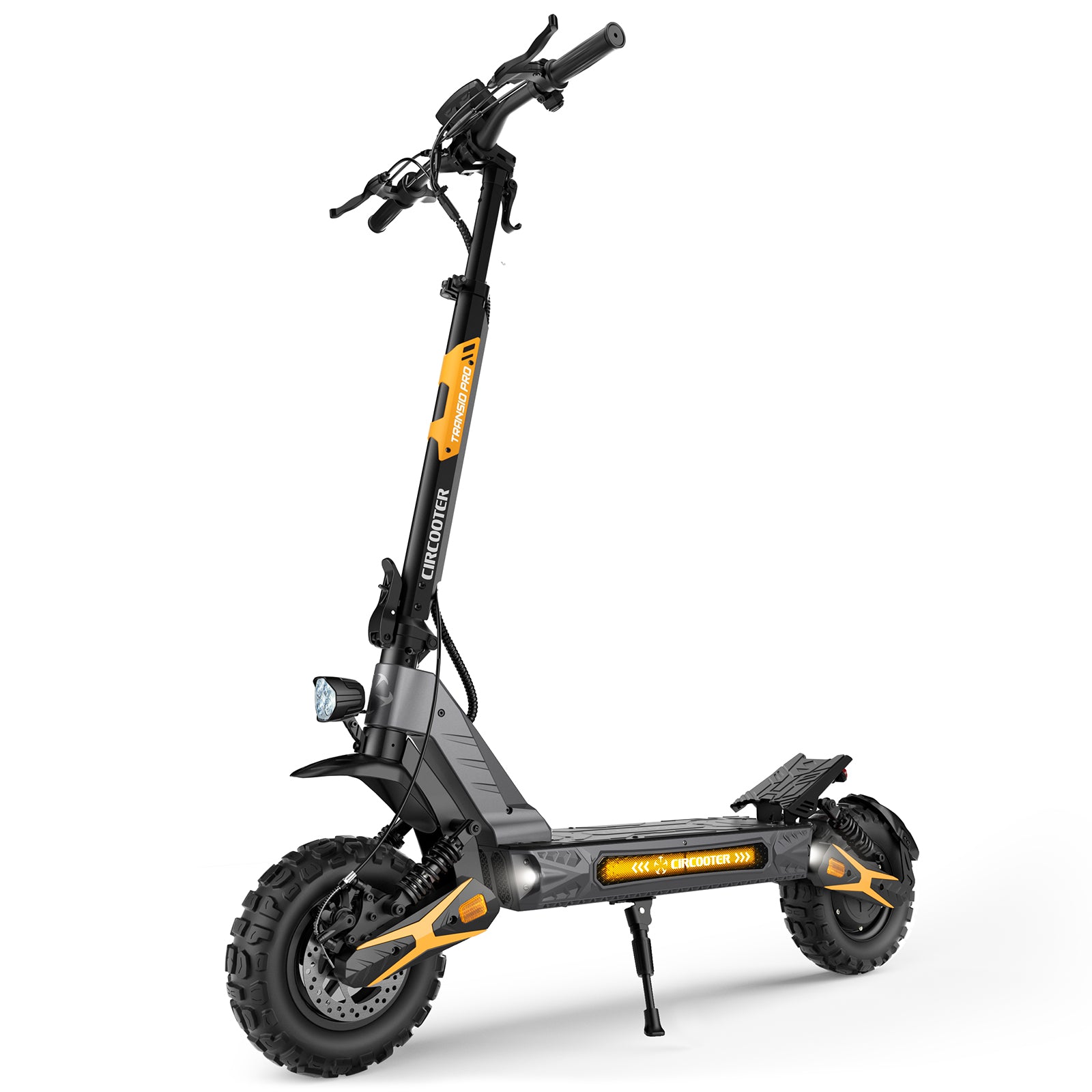
No, leaving your electric scooter on the charger overnight will not "kill" the battery, and unplugging it at 90% won't magically add years to its life either. Most electric scooter battery myths come from outdated advice meant for older battery types, not the lithium-ion cells used in scooters today. Modern lithium-ion battery packs, like the one in the Landturbo Pro, are built with protection circuits that stop overcharging and manage temperature automatically. Riders still repeat a lot of this old advice out of habit, sometimes passing it along to new scooter owners without realizing it no longer applies. Understanding what's actually true about battery charging myths and lithium-ion battery facts can help you get more range and more years out of your scooter, without the guesswork.
Common Electric Scooter Battery Myths, One by One
Myth 1: You Have to Fully Drain the Battery Before Charging
This one comes from old nickel-based batteries, which had a "memory effect" if they weren't fully discharged regularly. Lithium-ion batteries work differently. They don't have a memory effect, and running them down to 0% repeatedly actually stresses the cells more than it helps. Partial charges, like plugging in after a short commute, are perfectly fine and often better for long-term battery lifespan. In fact, many riders find their scooter performs more consistently when it's topped up often rather than run all the way down before every charge.
Myth 2: Leaving It Plugged In Overnight Destroys the Battery
This is one of the most common battery charging myths riders bring up. Circooter scooters use a charger with built-in overcharge protection, so once the battery hits 100%, it stops pulling power. That said, unplugging once it's full is still good practice, mainly because heat buildup over many hours can add unnecessary wear over time, not because the battery keeps overcharging.
Myth 3: Fast Charging Ruins Battery Life
Fast charging generates more heat, and heat is the real enemy of lithium-ion batteries, but using the manufacturer-approved Circooter charger that comes with your scooter is designed to manage this safely. The issue only comes up with cheap, unregulated third-party chargers that don't control voltage properly, which can push more current than the cells are rated for. Sticking with an approved charger keeps charging speed and battery health in balance without cutting corners on safety.
Myth 4: Cold Weather Permanently Damages the Battery

Cold temperatures do reduce a battery's performance temporarily, cutting range and slowing power delivery, but this isn't permanent damage. The chemical reactions inside a lithium-ion cell just slow down in the cold, which is why a scooter can feel noticeably weaker on a freezing morning in a place like Winnipeg or Ottawa. Once the battery warms back up to room temperature, performance returns to normal. Riders commuting through winter, as covered in our Winter E-Scooter Riding Guide, should expect shorter range in freezing weather, not a shorter battery lifespan. Storing the scooter indoors overnight, rather than in an unheated garage, is usually enough to keep cold-weather range loss to a minimum.
Myth 5: All Batteries Degrade at the Same Rate
Battery lifespan depends heavily on how it's used and stored, not just how many charge cycles it's been through. A few things that genuinely affect long-term battery lifespan:
-
Storage temperature: extreme heat speeds up degradation far more than cold does.
-
Storage charge level: batteries stored for long periods do best around 40-60% charge, not full or empty.
-
Charging habits: frequent partial charges are gentler than constant full drains and full charges.
-
Riding style: aggressive acceleration and hill climbing, the kind covered in our 1600W vs. 2400W model comparison, draw more current and generate more heat.
-
Charger quality: using the correct charger prevents voltage irregularities that wear down cells faster.
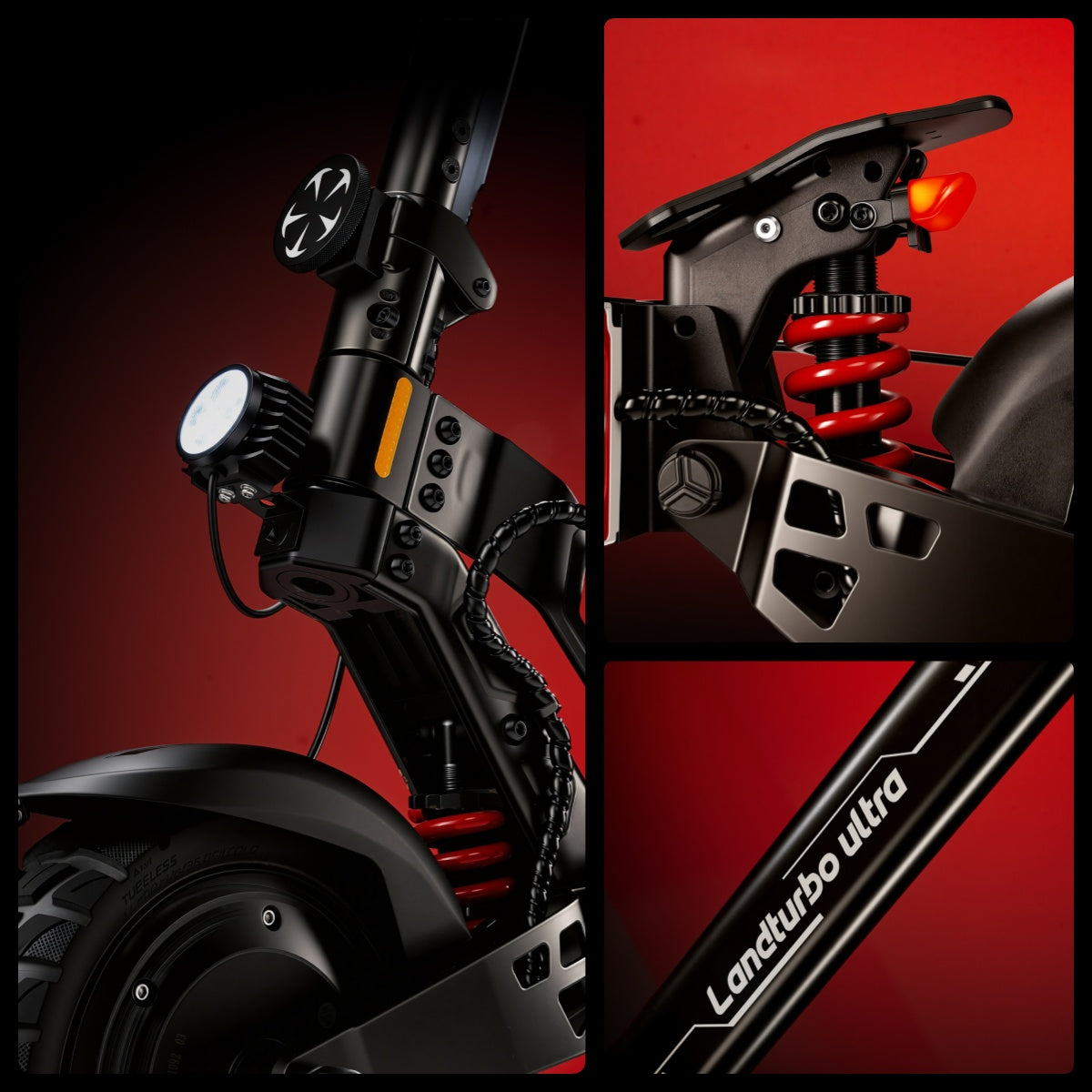
Two scooters with identical battery packs, like a Landturbo Ultra Off-Road Electric Scooter used for daily commuting versus one stored in a hot garage all summer, can age very differently based on these factors alone.
What Actually Extends Battery Lifespan
Since fear-based myths don't hold up, it helps to focus on what genuinely works. Keeping the battery between roughly 20% and 80% charge for daily use, avoiding extreme heat exposure, and using the charger that came with your scooter are the biggest factors within a rider's control. If you're comparing higher-capacity options like the Raptor Pro Off-Road Electric Scooter, the same charging principles apply regardless of battery size, since it's the habits around charging that matter more than how many watt-hours the pack holds. None of this requires special equipment or complicated routines, just consistent, moderate habits instead of the extremes that many myths recommend. A quick weekly check of the battery percentage before long rides is often all the maintenance most riders need.
The Real Story Behind Scooter Batteries
Most electric scooter battery myths exaggerate small risks into big warnings, when the truth is far less dramatic. Lithium-ion batteries are designed to handle everyday charging habits, including overnight charging, partial top-ups, and occasional fast charges, without shortening their usable life in any meaningful way. The habits that actually matter come down to avoiding extreme temperatures, using an approved charger, and not letting the battery sit fully drained or fully charged for long stretches. Riders who understand these basics can stop worrying about every charge and just focus on enjoying the ride.
What Riders Want to Know
Does charging my scooter every night shorten the battery's lifespan?
No. Lithium-ion batteries handle nightly charging well, especially with a charger that includes overcharge protection.
Is it bad to let my scooter battery drop to 0% regularly?
Yes, frequent full discharges add more stress to the cells than partial charges do, so it's better to charge before it hits empty.
Can I use any charger with my electric scooter?
It's best to stick with the charger made for your model, since mismatched voltage or amperage can affect both charging speed and battery health.
How does cold weather affect battery performance?
Cold temperatures temporarily reduce range and power output, but the battery returns to normal performance once it warms up.
How long should a lithium-ion scooter battery last?
With reasonable care, most lithium-ion scooter batteries last several years and hundreds of charge cycles before noticeable capacity loss.

Laisser un commentaire
Ce site est protégé par hCaptcha, et la Politique de confidentialité et les Conditions de service de hCaptcha s’appliquent.