



Why Your Battery Deserves More Attention Than You Think
Good electric scooter battery care comes down to three habits: charging the right way, storing your scooter at a stable temperature, and paying attention to how you ride. Get those three right, and a typical lithium-ion battery can deliver 500 to 800 full charge cycles before it starts losing meaningful range. Skip them, and you could be shopping for a replacement in half that time.
Most riders don't think about their battery until something feels off: shorter rides, slower charging, or a scooter that won't hold a charge overnight. The good news is that electric scooter battery lifespan isn't a mystery — it's shaped by habits you can start today, whether you're commuting through a humid Toronto summer or riding out a frigid Winnipeg winter.
What Affects Your Electric Scooter Battery's Lifespan
Several everyday factors combine to determine electric scooter battery lifespan, and most of them are within your control.
Charge Cycles and Battery Chemistry
Every lithium-ion battery has a limited number of charge cycles built in. One full cycle equals a complete drain from 100% to 0%, even if it happens across several partial charges spread over days. Each cycle very slightly reduces total capacity — that's normal chemistry, not a flaw in your scooter.
Heat, Cold, and Everyday Wear
Temperature is the biggest factor outside of normal cycle wear. Heat speeds up the internal chemical breakdown that eats away at capacity, while extreme cold temporarily reduces how much power the battery can deliver. Add in rough handling, water exposure, and long stretches of sitting unused, and you've got the full list of what shortens electric scooter battery lifespan faster than it should.
Best Charging Practices for Long-Term Battery Health
Knowing how to maintain electric scooter battery health starts with these charging habits:
Charge after most rides instead of waiting until the battery hits 0%
Unplug once it reaches full charge instead of leaving it on the charger overnight
Use the charger that came with your scooter, or a manufacturer-approved replacement
Avoid charging immediately after a hot ride — let the battery cool down first
Charge in a dry, ventilated spot, never directly on carpet or bedding
This kind of consistent electric scooter battery care — keeping the charge roughly between 20% and 90% rather than constantly running it to empty or leaving it pinned at 100% — is one of the simplest ways to protect long-term capacity.
Storing Your Scooter's Battery the Right Way
Storage habits matter just as much as charging habits, especially if your scooter sits unused for more than a couple of weeks. Following good electric scooter battery storage tips can mean the difference between a scooter that's ready to go and one that needs a full replacement after a season in the garage.
Store your scooter indoors, away from direct sunlight, heaters, and freezing temperatures. A charge level around 40-60% is ideal for extended storage — not full, not empty. These electric scooter battery storage tips apply whether your scooter sits for a weekend or all winter long.
For more on off-road riding fundamentals that also touch on battery-friendly habits, see our beginner's guide to off-road scooter riding.
Riding Habits That Help (or Hurt) Battery Life

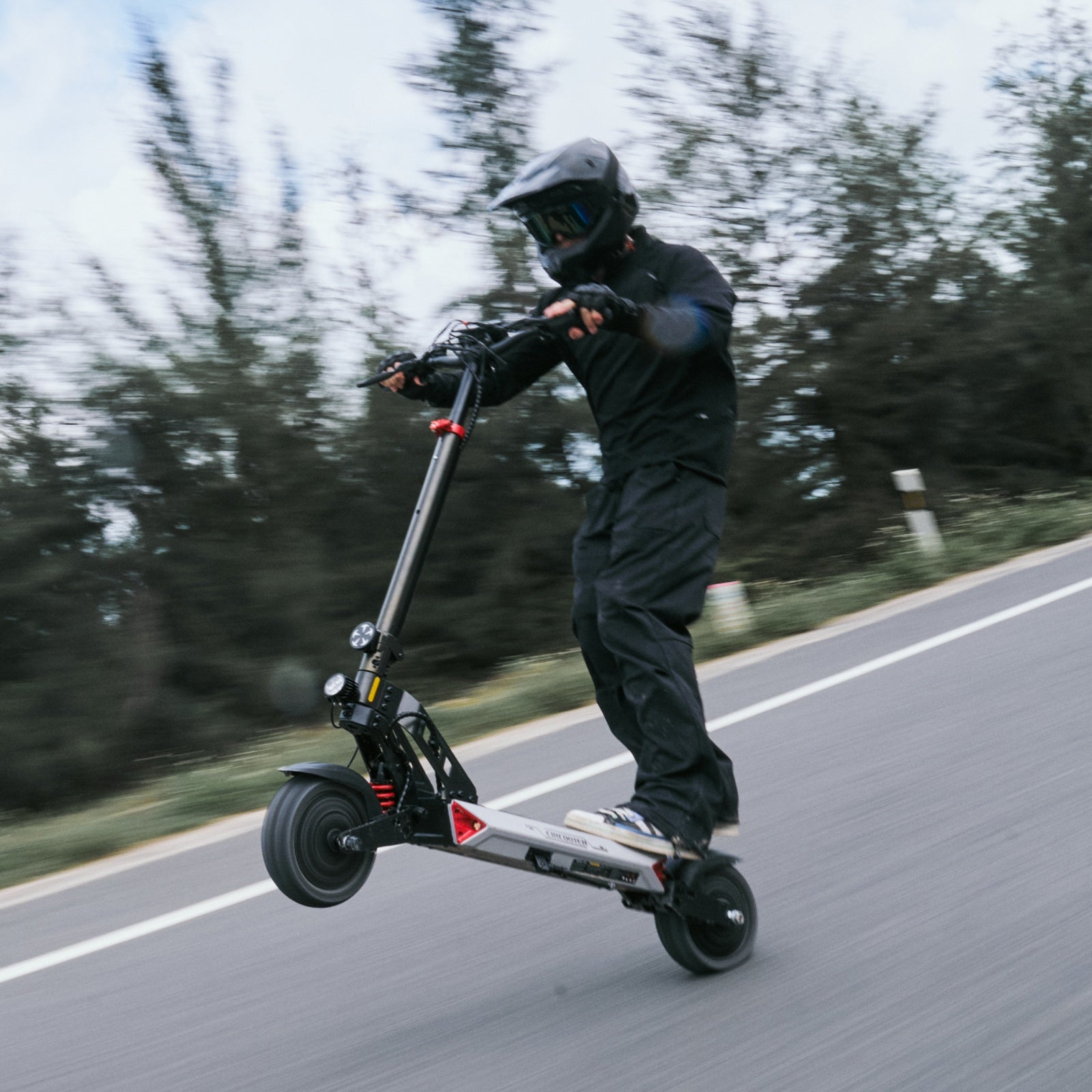
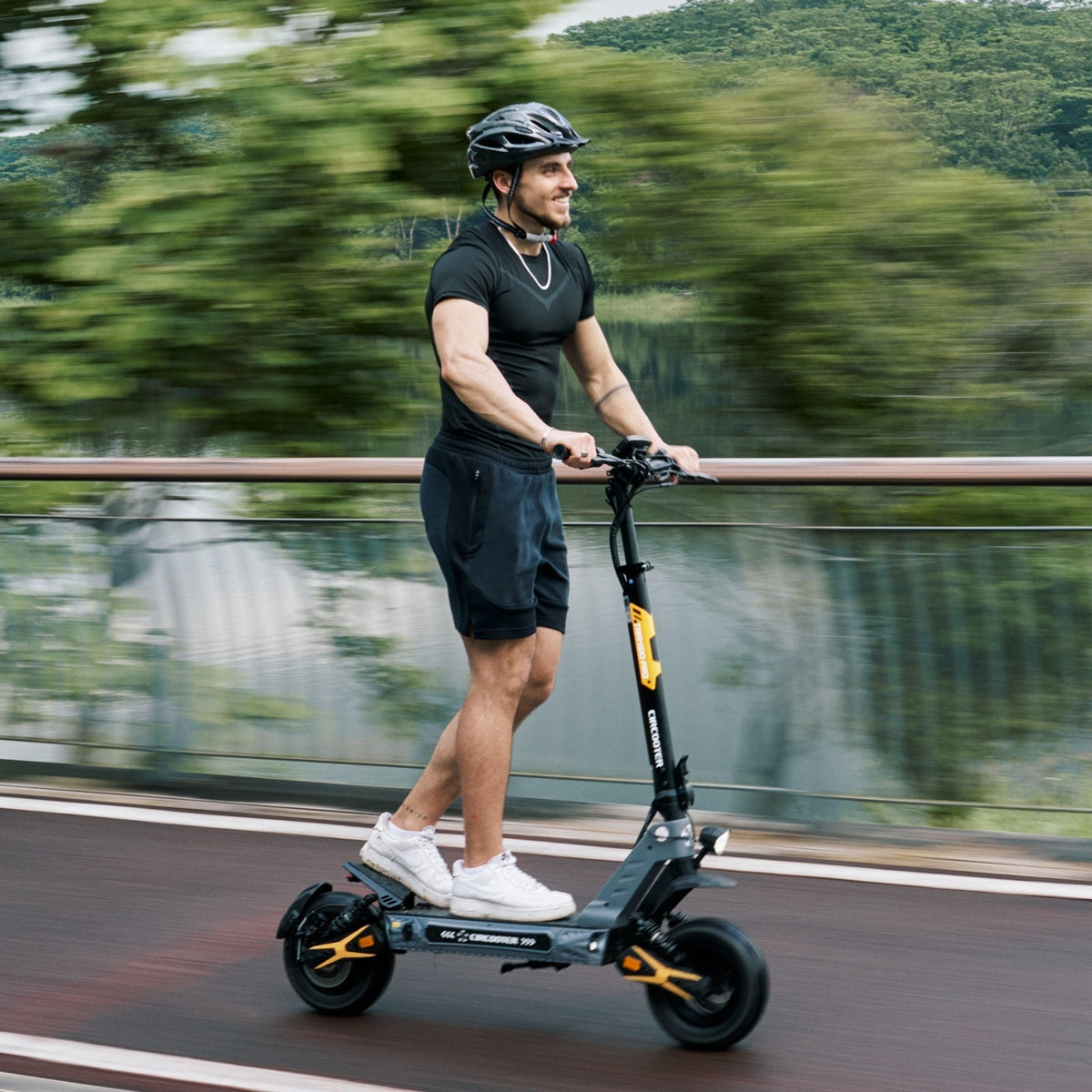
Riding style is a big part of how to maintain electric scooter battery capacity over time, not just charging and storage. Remember these:
Avoid full-throttle starts from a stop; gradual acceleration reduces strain on the cells
Skip unnecessary hard braking when you can plan ahead instead
Keep tires properly inflated — underinflated tires make the motor work harder and drain the battery faster
Avoid overloading your scooter beyond its rated weight capacity
Don't let the battery sit at 0% for extended periods after a ride
Riders who want to get more out of every charge can also check out our guide to boosting scooter speed and range, which covers throttle habits and tire pressure in more detail.
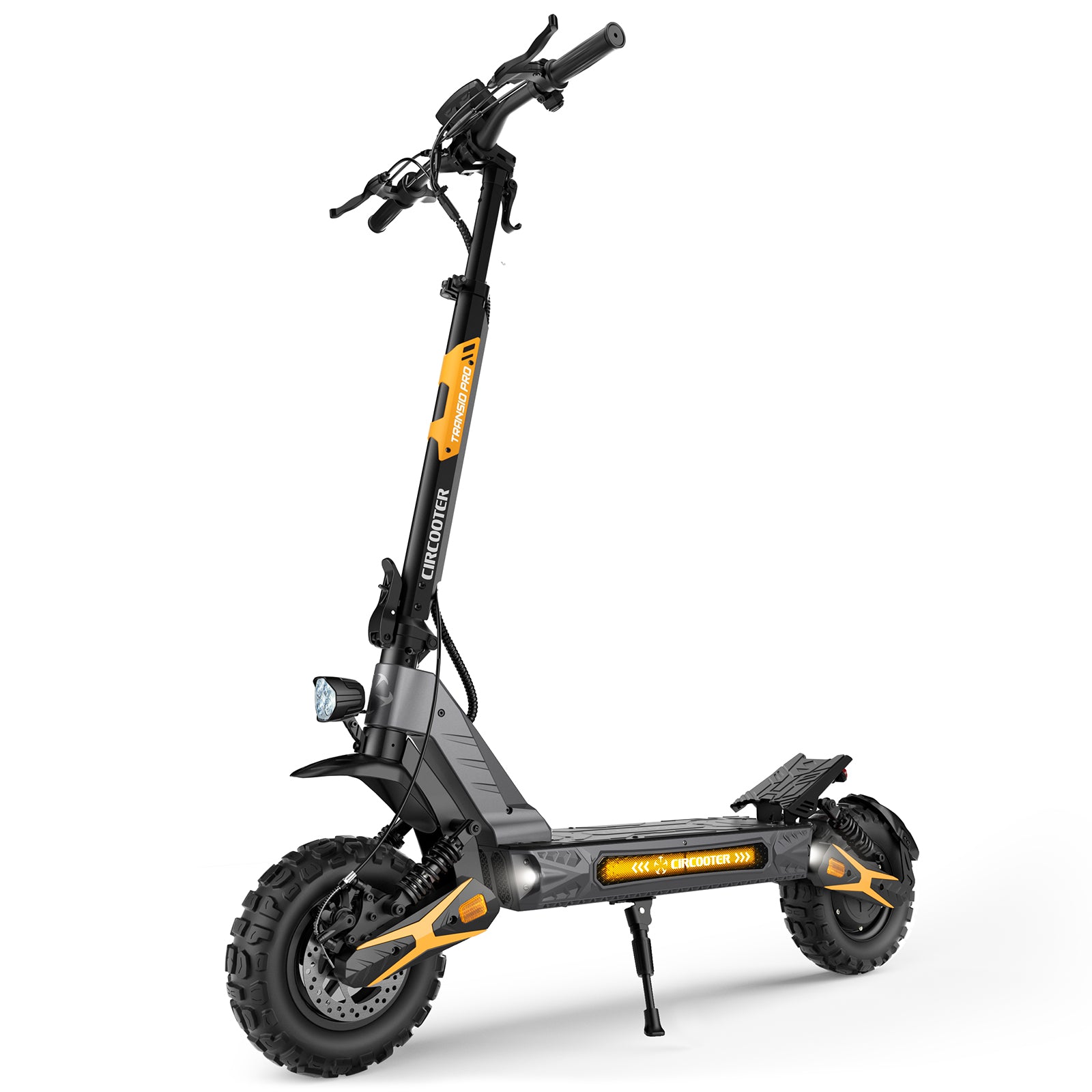
If efficient range is a priority, models like the Landturbo and Landturbo Pro are worth a look, while riders covering longer distances often lean toward the Raptor Pro for its larger battery pack.
Signs Your Battery Is Wearing Out
Even with excellent electric scooter battery care, batteries don't last forever. Knowing the signs of a dying scooter battery early can save you from being stranded mid-ride.
Watch for noticeably shorter range than when the scooter was new, a battery percentage that drops unevenly or jumps around, longer charging times, or a battery that feels warm even when it's not in use. A swollen or misshapen casing is one of the clearest signs of a dying scooter battery, and it means the scooter shouldn't be ridden or charged until it's inspected.
When to Replace vs. Repair Your Battery
Most of the time, a battery that's simply aging doesn't need a full electric scooter battery replacement — it just needs smarter charging and storage habits going forward.
But once a battery has dropped below roughly 70% of its original capacity, or shows physical damage like swelling, electric scooter battery replacement is the safer and more cost-effective option. Even when you follow every step for how to maintain electric scooter battery health, all batteries eventually degrade — that's expected, not a failure on your part.
If you're at that point, a replacement battery built for your model is usually simpler and safer than trying to repair individual cells yourself.
The Bottom Line on Battery Longevity
Electric scooter battery care isn't complicated — it's mostly about consistency. Charge smart, store your scooter somewhere temperature-stable, ride with a bit of throttle discipline, and keep an eye out for early warning signs. Do that, and you'll likely get years of reliable range out of your battery instead of months.
Battery Care Questions Riders Ask Most
How often should I charge my electric scooter battery?
After most rides it is fine — you don't need to wait until it's empty, and topping off regularly is gentler on the cells than deep discharges.
Can I leave my electric scooter charging overnight?
It's better not to. Most modern chargers stop drawing power once the battery is full, but unplugging as soon as it's charged avoids unnecessary heat buildup.
What's a typical electric scooter battery lifespan?
Most lithium-ion batteries last 500-800 charge cycles, roughly two to four years of regular riding, before capacity noticeably drops. This is why consistent electric scooter battery care matters as much as the charge cycle count itself.
What temperature is safest for storing an electric scooter battery?
Room temperature, roughly 10-25°C, is ideal. Avoid freezing garages in winter and hot attics or direct sun in summer.
Is it normal for a scooter battery to feel warm after charging?
Mild warmth is normal. Excessive heat, swelling, or a battery that stays hot long after charging finishes are worth having inspected right away.

Laisser un commentaire
Ce site est protégé par hCaptcha, et la Politique de confidentialité et les Conditions de service de hCaptcha s’appliquent.