


Riding Confused? Here's the Short Answer
Yes, it's legal to ride an electric scooter on the road in many parts of Canada, but the specific rules around speed, age, helmets, and where you can ride change dramatically depending on where you live. There's no single national standard. Instead, each province sets its own electric scooter laws by state, and some provinces don't permit private e-scooters on public roads at all, only allowing them through pilot programs or dedicated bike infrastructure. If you're new to riding or just picked up your first e-scooter, understanding these basics before you head out will save you a headache, and possibly a fine.
Why Electric Scooter Laws Vary So Much Across Canada
Electric scooters are still a relatively new category of vehicle, and lawmakers have been playing catch-up since rental scooters showed up on city sidewalks a few years back. Because there's no single federal law governing personal e-scooter use, provinces have been left to write their own rules, and many have simply adapted existing bicycle or moped laws instead of creating something new. That's part of why electric scooter laws by state look so different depending on where you're riding. Some provinces classify scooters as "power-assisted bicycles," others treat them like mopeds, and a few, including parts of Ontario, still restrict private e-scooter use on public roads outright. Municipalities often add their own layer of rules on top of provincial law, especially around where scooters can park or ride downtown.
Speed and Age Limits: What Most Provinces Require
Even with the patchwork of rules, a few patterns show up again and again. Most provinces that permit e-scooters cap speeds somewhere between 24 and 32 km/h on public roads, and many set a minimum electric scooter age requirement of 16 for unsupervised riding. Take note of these:
Top speed limits typically fall between 24-32 km/h, regardless of what your scooter can actually reach
Minimum riding age is commonly 16, though some regions allow younger riders with adult supervision
A handful of pilot programs have no set age minimum at all, leaving it up to local bylaws
Riders under 18 are frequently held to stricter rules than adults, especially around helmets
If your scooter is capable of higher speeds than your province allows, it's still your responsibility to stay within the legal limit while riding on public streets.
Helmets, Licensing, and Insurance: Do You Need Them?
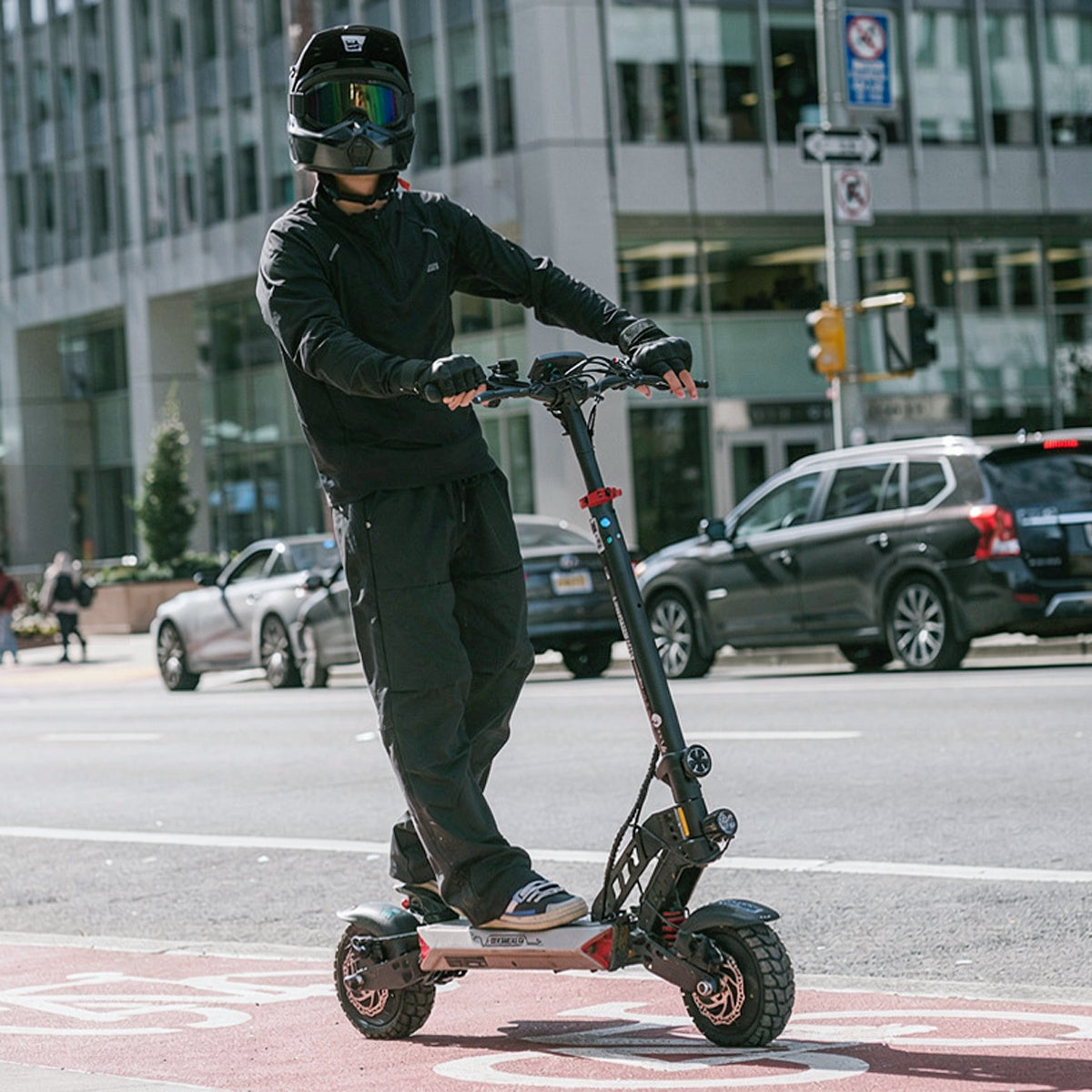
This is where a lot of new riders get caught off guard. The electric scooter helmet law in most provinces applies to all riders, not just those under 18, which is stricter than what you'll find in many other countries. A few regions extend requirements even further, so it's worth double-checking your local rules rather than assuming.
As for licensing, most provinces don't require a driver's license to ride a personal e-scooter, though some pilot programs do require riders to register or hold a valid license. Insurance is generally not mandated for personal electric scooters the way it is for cars, but that doesn't mean you're automatically covered if something goes wrong. If you want to understand your options here, it's worth researching provincial coverage requirements before you rely on your homeowner's or auto policy to protect you.
Where You Can (and Can't) Legally Ride

Knowing where you can ride an electric scooter is often more confusing than the speed and age rules combined, because it changes city by city in some provinces. Here’s what you should know:
Bike lanes and paths are usually the safest and most widely accepted place to ride where e-scooters are permitted
Sidewalk riding is banned almost everywhere, with very few exceptions for younger or smaller devices
Riding on the road is often permitted where posted speed limits are low, typically 40-50 km/h
Highways and roads with higher posted speeds are almost universally off-limits, along with several major city cores
Is it legal to ride an electric scooter on the road? In many provinces, yes, as long as you're following the same traffic laws that apply to bicycles: staying to the right, signaling turns, and obeying traffic signals. That said, always confirm your city allows it first, since some, including Toronto, have banned private e-scooters from roads and sidewalks entirely.
Common Rules That Catch New Riders Off Guard
A few rules trip up even careful riders. Many cities require lights or reflectors for riding after dark, and some restrict scooters to a single rider at a time, no passengers allowed. Parking rules are also stricter than most people expect; leaving a scooter blocking a sidewalk or ramp can result in a fine in many municipalities. It's also worth knowing that modifying your scooter to exceed its factory speed limit can push it outside the legal classification for street riding in some provinces, which is worth keeping in mind if you're tuning your ride for off-road use rather than commuting. For tips on getting more out of your scooter within the settings it ships with, our guide on boosting your Circooter's speed and range covers safe ways to optimize performance.
How to Check Your Province's Current Laws
Because electric scooter regulations change fairly often as cities update their transportation bylaws, the safest move is to check your provincial transportation ministry website or your city's bylaw page before you ride somewhere new. Local police service sites often post plain-language summaries too. If you're traveling with your scooter, it's worth a quick search before you go, since electric scooter laws by state can shift significantly even between neighboring cities in the same province.
Ride Smart, Not Just Fast
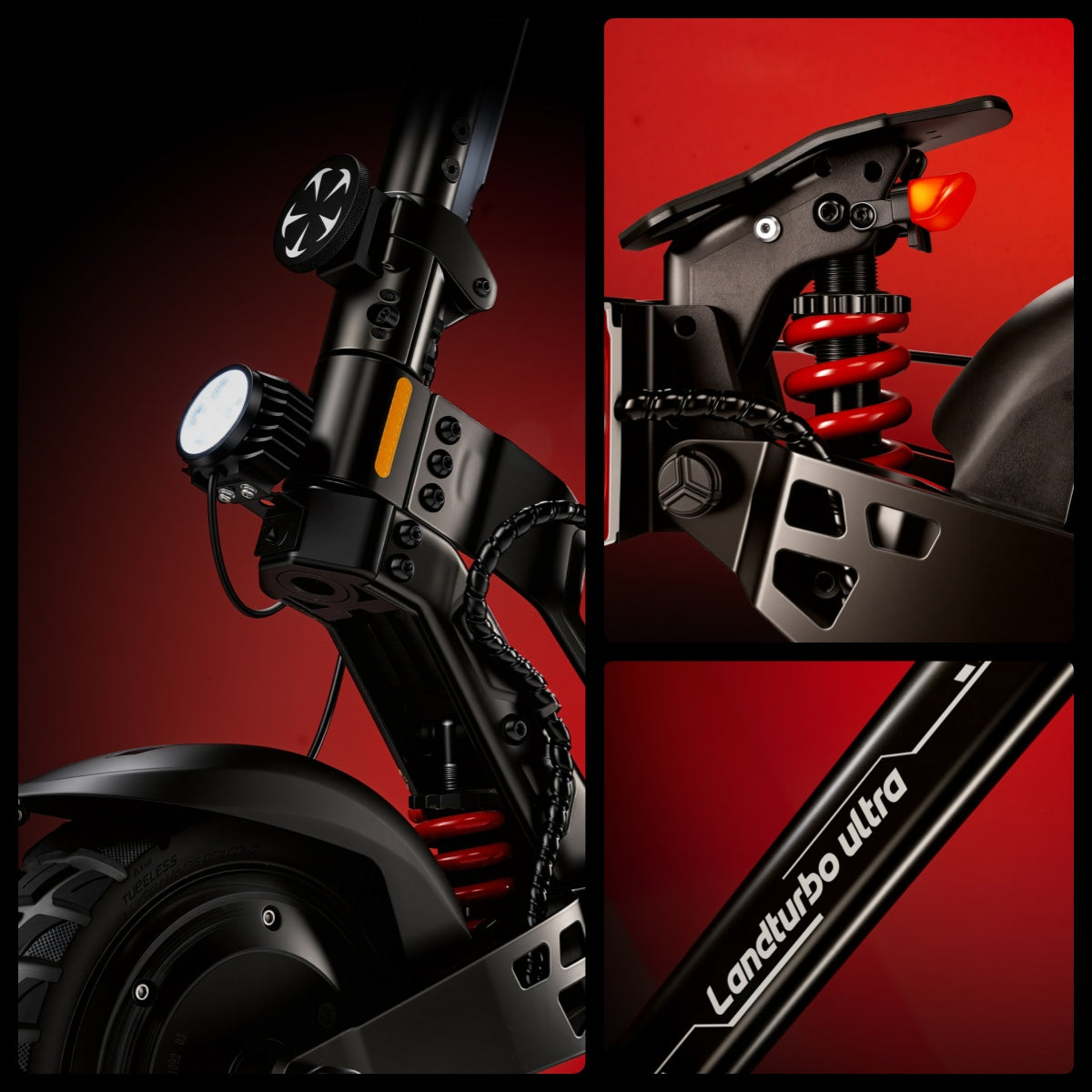
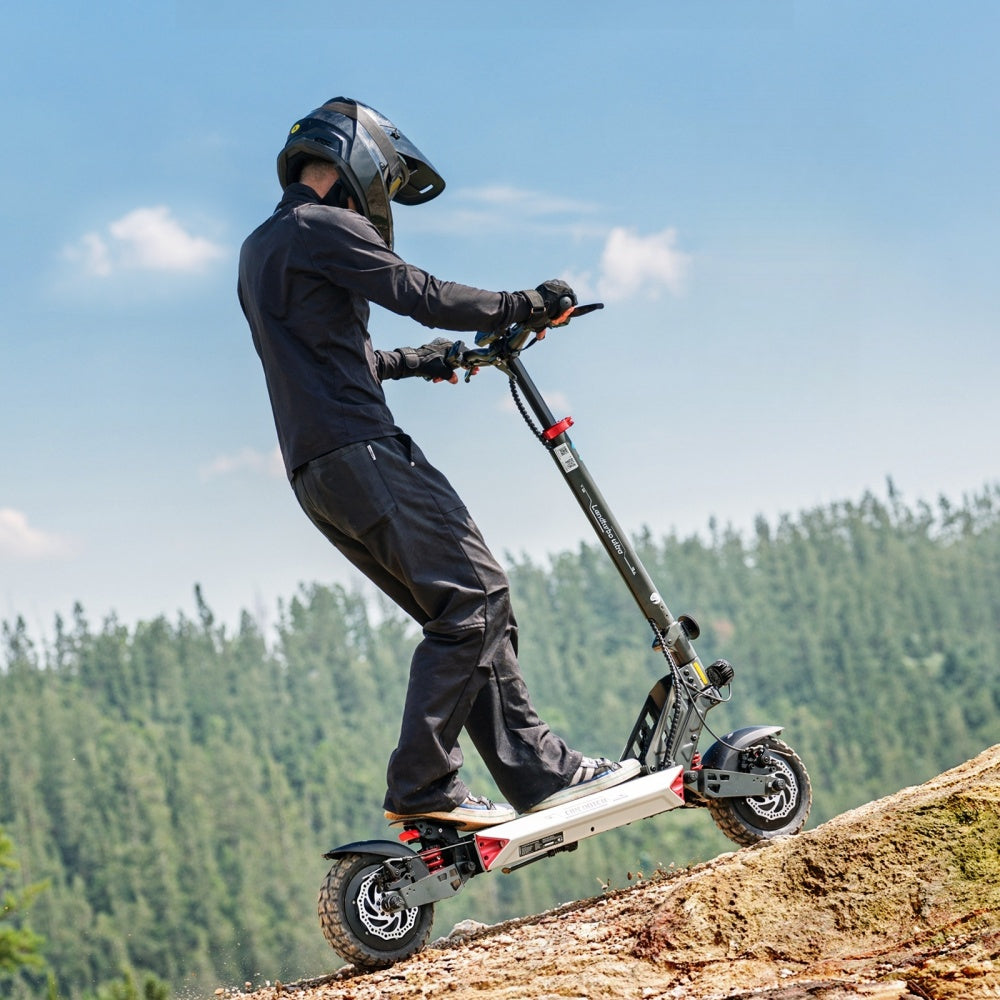
Electric scooter regulations exist to keep riders and everyone around them safe, and once you know the basics, they're easy to work with rather than around. Speed limits, age requirements, and helmet rules will vary depending on where you live, but the underlying goal is the same everywhere: predictable, responsible riding. Whether you're commuting on a Landturbo Electric Scooter, exploring trails on a Raptor Pro, or upgrading to the Landturbo Pro for daily use, taking a few minutes to check your local rules means you can focus on the ride instead of worrying about a fine.
This article is for general informational purposes only and isn't legal advice. Always confirm current electric scooter regulations with your provincial transportation ministry or city government, since local bylaws change and can override general provincial rules.
Scooter Law Questions, Answered
Do I need a license plate for my electric scooter?
No, most provinces don't require registration or license plates for personal electric scooters, though some pilot programs require basic registration.
Can I ride my electric scooter at night?
Yes in most permitted areas, but many cities require functioning front and rear lights or reflectors after dark.
What happens if I ride faster than my province's speed limit allows?
You could be cited by local law enforcement, even if your scooter is capable of higher speeds, since the legal limit applies regardless of your scooter's top speed.
Are electric scooter laws the same in every city within a province?
Not always. Cities often add their own bylaws on top of provincial law, especially around sidewalk riding, parking, and permitted zones, and some ban private e-scooters entirely.
Is it legal to ride an electric scooter on the road everywhere?
It depends on the province and city. Many allow it on roads with lower posted speed limits, but some major cities restrict or ban private e-scooters outright, so it's worth checking first.

Leave a comment
This site is protected by hCaptcha and the hCaptcha Privacy Policy and Terms of Service apply.