


Start With the Right Foundation
The most important electric scooter trail riding tip is also the simplest: prepare before you go, not after something goes wrong. Trail riding puts you on unpredictable surfaces, away from the infrastructure and help available in urban environments. Riders who show up with the right gear, a capable scooter, and a clear understanding of the terrain they're riding make the experience genuinely enjoyable. Those who don't tend to find out the hard way what they missed.
Here's everything you need to get it right from the first session.
Gear Up, Trails Don't Forgive Shortcuts

Trails are different from city falls. Surfaces are harder and less forgiving, speed variation is higher, and obstacles appear with less warning. Gear that feels optional on a smooth bike path becomes genuinely important on a trail.
What to wear on every trail ride:
Helmet - full-face for technical trails, certified open-face as a minimum for any off-road riding
Knee and elbow pads - hard-shell, not soft foam; these stay in place on impact
Gloves with knuckle and palm padding - protect your hands in falls and improve handlebar grip on rough terrain
Closed-toe shoes with ankle support - trail running shoes or riding boots; sandals and smooth-soled shoes are unsafe.
Goggles or wrap-around eyewear - trail dust and debris move fast; regular glasses don't cover side exposure.
Choose the Right Scooter for the Trail
Not every e-scooter belongs on a trail. A lightweight commuter with narrow solid tires and no suspension handles flat pavement well and rough terrain poorly — and trails, from Gatineau Park paths to Kananaskis fire roads, demand genuinely capable hardware.
Trail-appropriate hardware needs:
-
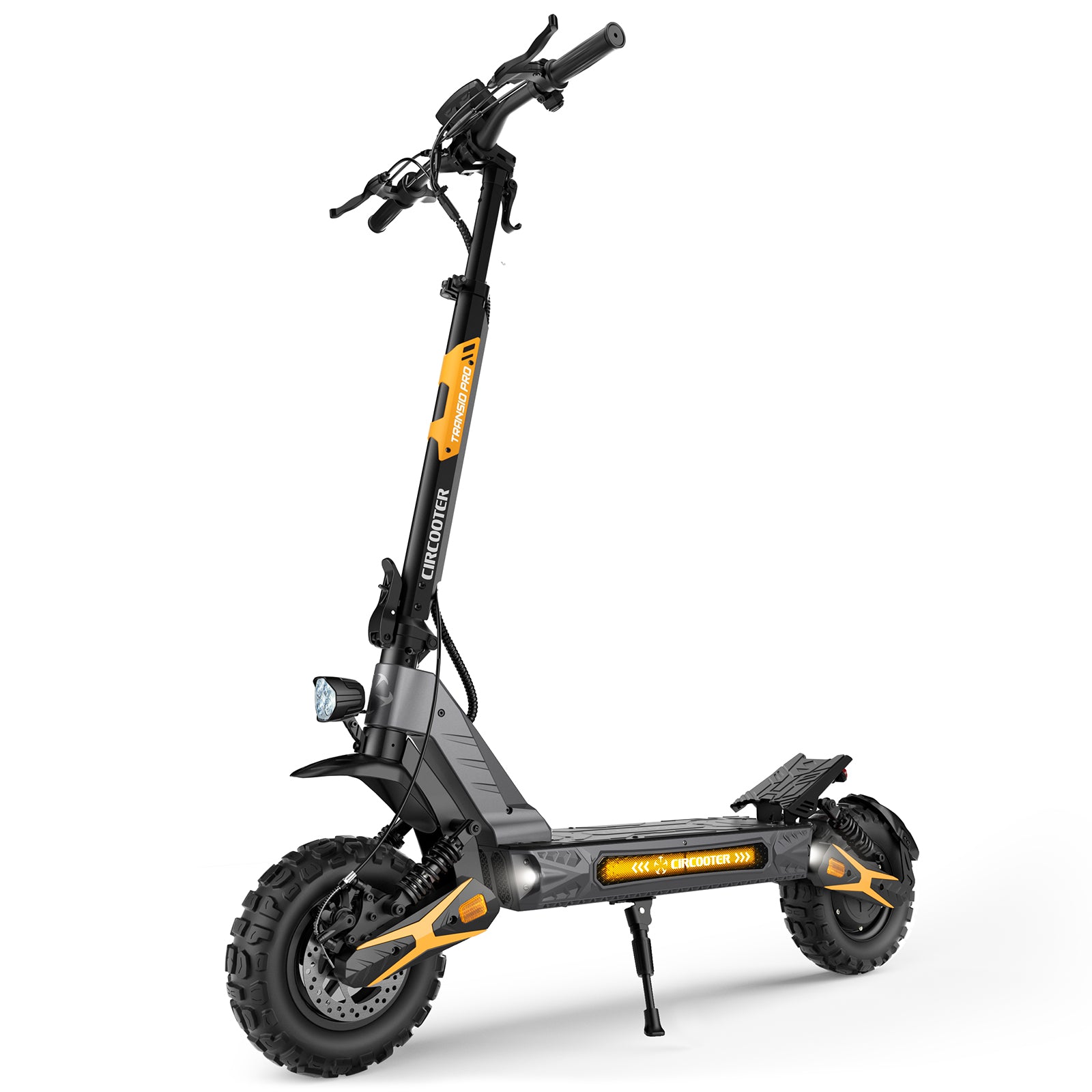
10-11 inch pneumatic tires with off-road tread
-
Dual suspension
-
Disc brakes with EABS
-
Sufficient motor power for grades and loose surfaces
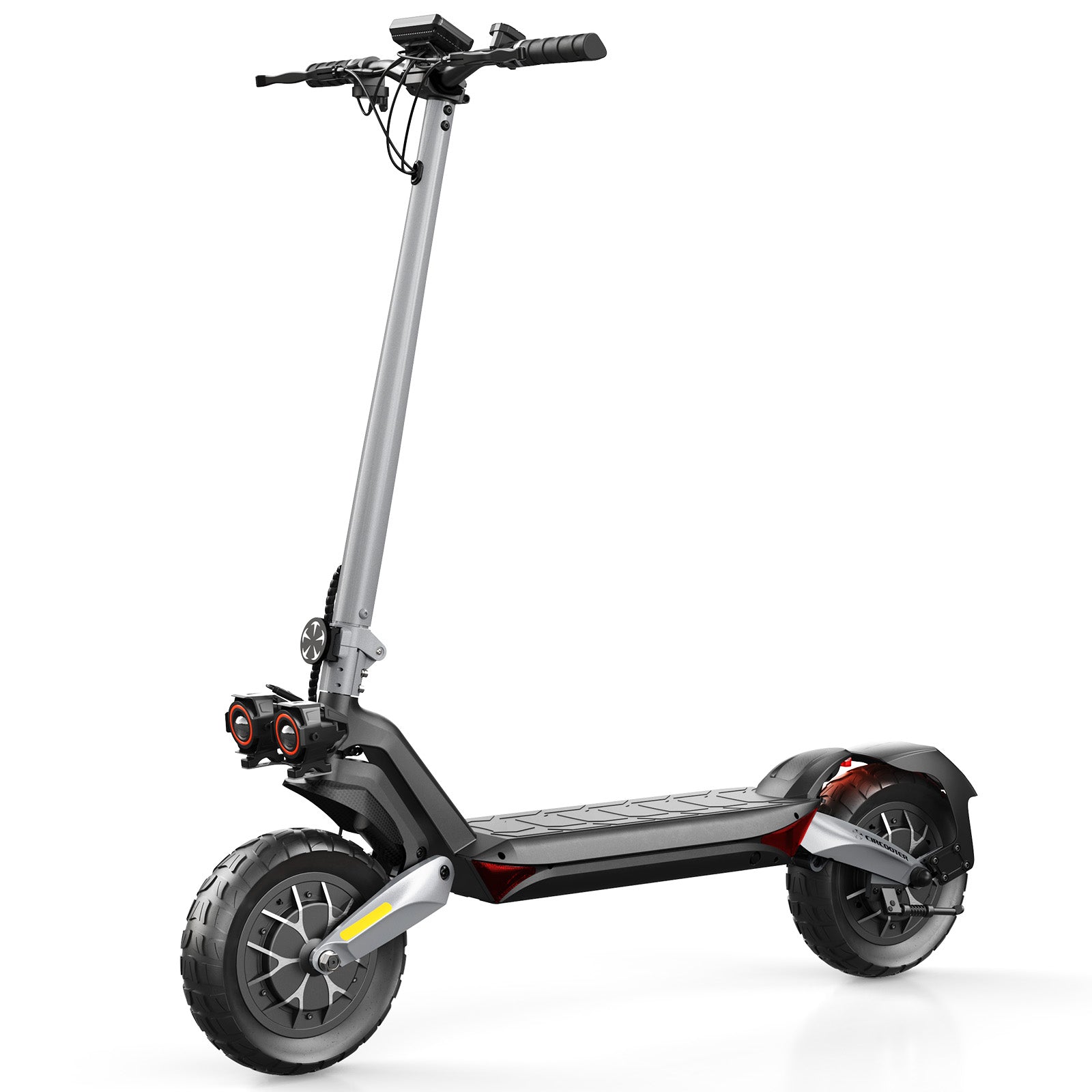
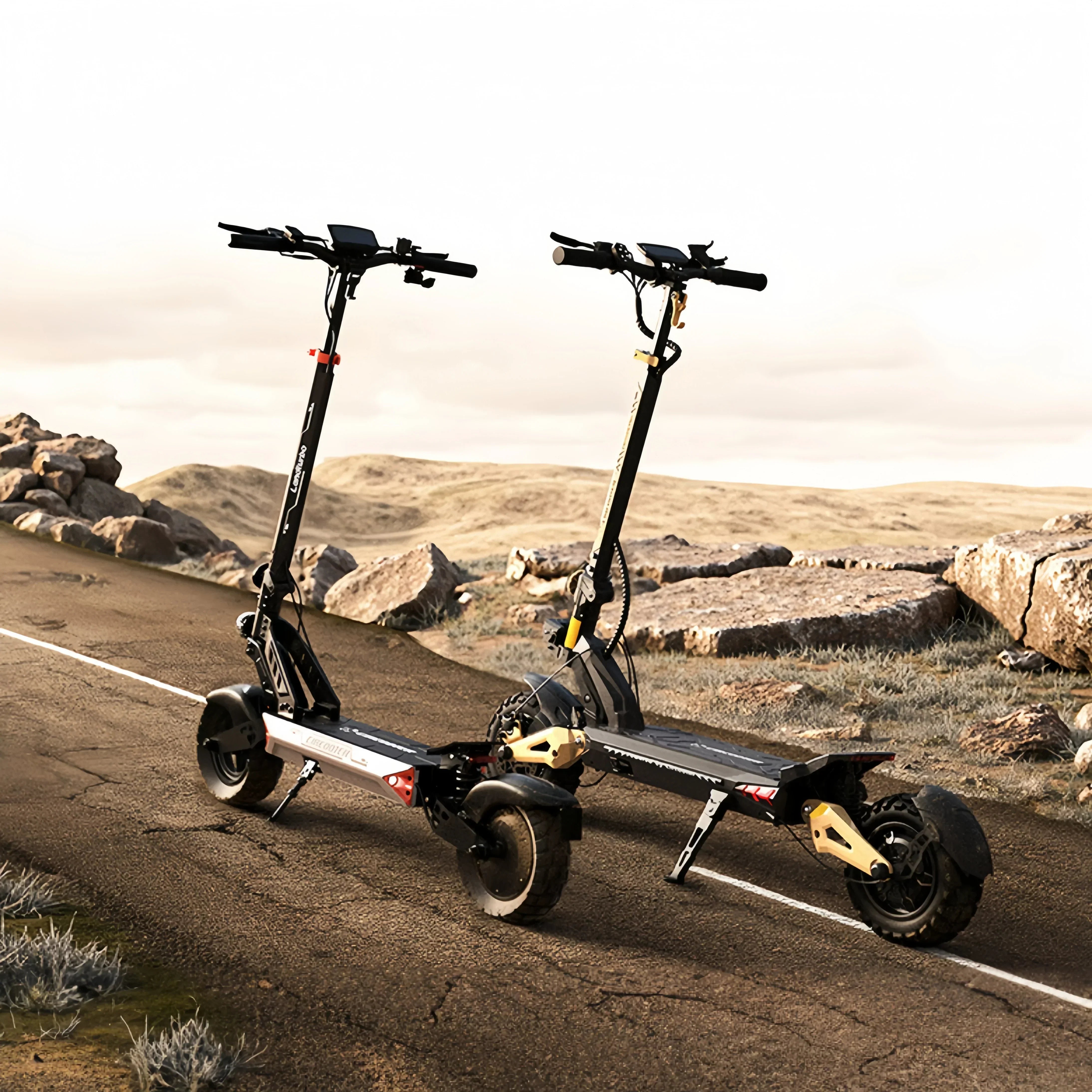
The Landturbo Electric Scooter (1000W, 45 km/h, 64 km range, $899) is a well-matched starting point for trail beginners. Its 1000W motor, front swing-arm suspension, and 10-inch off-road pneumatic tires handle packed dirt, light gravel, and moderate campsite fire roads with confidence.
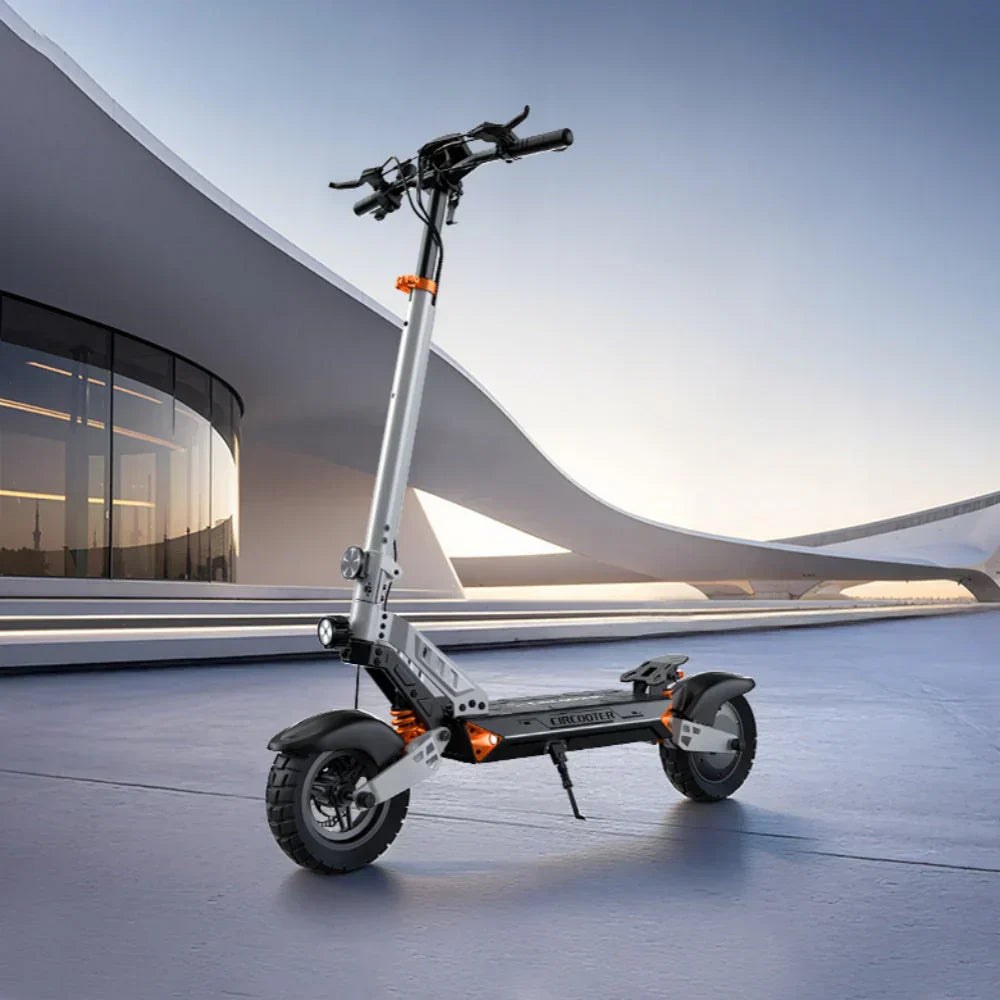
For more demanding terrain, the Landturbo Pro Electric Scooter (1500W peak, 52 km/h, 75 km range, $949) adds dual suspension and a stronger peak motor, handling steeper grades and rougher surfaces with noticeably more confidence.
Trail Etiquette: Sharing the Space Well
Trails across are shared environments. Hikers, mountain bikers, equestrians, and families with dogs all use the same paths in Gatineau Park, the Bruce Trail, Whistler's trail networks, and provincial parks from coast to coast. E-scooter riders are often the newest and fastest users of that space. How you ride affects whether e-scooters stay welcome on trails long-term.
Yield Hierarchy
The standard trail yield order: motorized users yield to everyone. That means:
- Always yield to hikers and pedestrians without negotiating.
- Yield to horses, approach slowly, announce yourself verbally, and give wide clearance; horses can spook at sudden movement or sound.
- Yield to uphill users when on a narrow trail, since the rider descending has better control and more options.
Speed and Passing
Slow down significantly before passing anyone on foot. Announce yourself before you're alongside them, like a simple "passing on your left" is enough. Don't assume your motor is quiet enough to go unnoticed; trail users may have headphones in or be in a conversation.
On narrow single-track trails, don't attempt to pass pedestrians mid-trail without slowing nearly to a stop first. The space is theirs as much as yours.
Leave the Trail as You Found It
- Stay on marked paths, cutting new lines damages vegetation and creates erosion.
- Don't ride trails that are signed as closed to motorized users.
- Pack out everything you bring in.
- Avoid riding on muddy trails when conditions are soft — tire ruts cause lasting damage to trail surfaces.
Reading the Terrain: The Skill That Improves Everything
Terrain awareness is what separates riders who look smooth on trails from those who are constantly reacting. The key is looking further ahead than feels natural — 10–15 metres out — so you're identifying surfaces and making decisions before you're already on them.
How Different Surfaces Behave
Packed dirt: The most forgiving off-road surface. Consistent traction when dry, significantly slippery when wet. Ride conservatively after rain because dry-looking, packed dirt can be loose just below the surface.
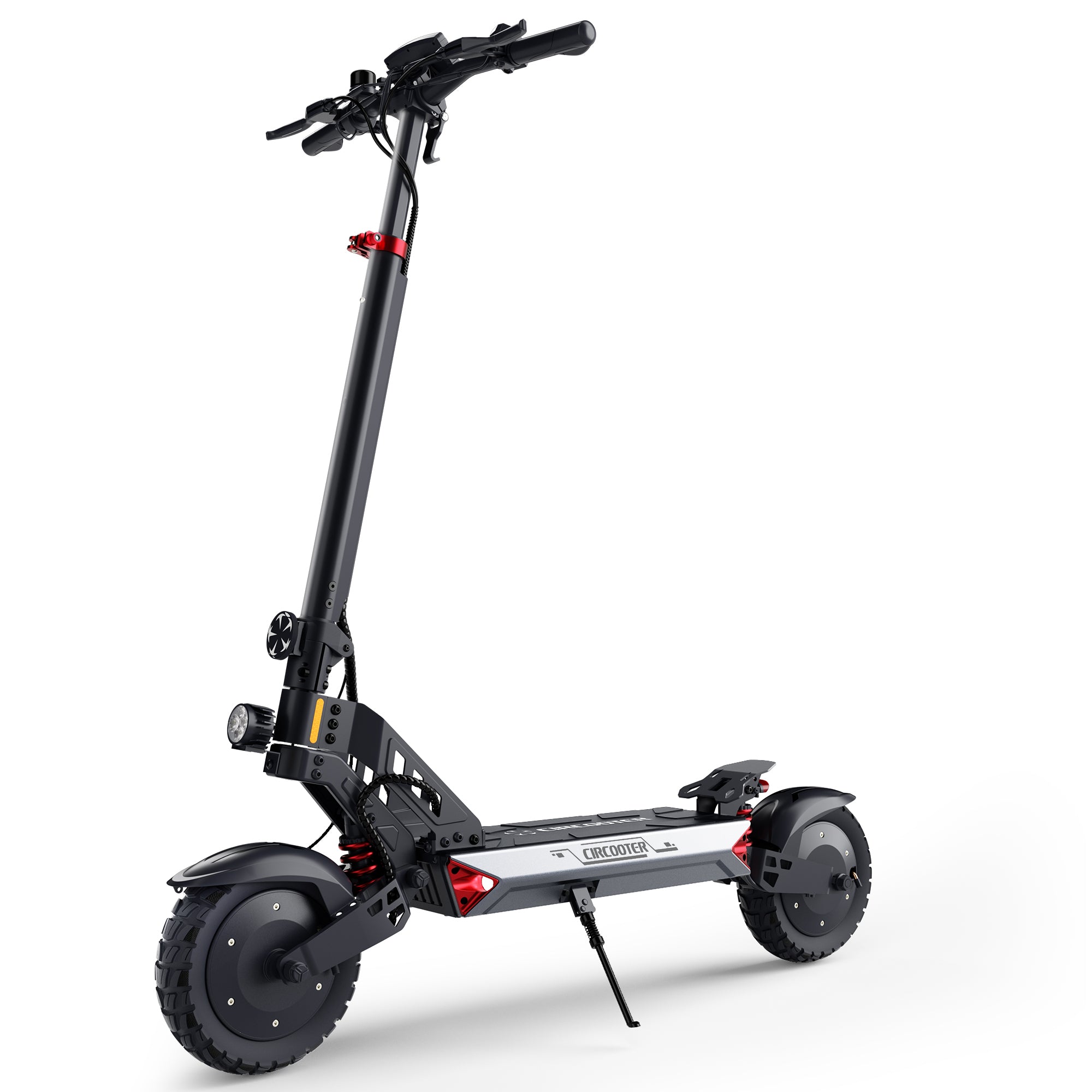
Gravel: Shifts under wheels during turns and braking. Maintain steady speed rather than variable throttle, brake in straight lines before corners, and avoid sharp direction changes. The Raptor Pro's (1600W, 45 km/h, 90 km range, $1,199) dual 800W motors and 11-inch off-road tires handle gravel with noticeably more traction and stability than single-motor setups — relevant for the loose gravel found on provincial park fire roads.
Roots and rocks: Common on the Canadian Shield trails in Ontario and Quebec. Slow down before reaching them, pick your line through rather than reacting to each obstacle, and let the suspension do its job.
Wet surfaces: Stopping distances roughly double. Treat wooden bridges, painted trail markers, and any metal surface as near-frictionless. In autumn conditions when wet leaves cover trail surfaces, extend this caution to leaf-covered sections as well.
Downhill sections: More dangerous than the equivalent climb. Brake before your speed builds, not after. Use both brakes together progressively. Never brake while turning, just brake in a straight line before the corner.
Pre-Ride Trail Checklist
Run through this before every trail session, which takes under two minutes and catches the problems that ruin rides:
- Battery level - trail riding drains 20-30% faster than flat roads; calculate accordingly
- Tire pressure - squeeze both tires firmly; soft tires lose their traction and shock absorption benefit
- Both brakes independently - squeeze each lever and confirm firm, consistent engagement.
- Folding mechanism and stem bolts - trail vibration loosens these faster than city riding.
- Suspension - compress and release both ends; movement should be smooth, not binding
Good Trail Riding Is Built, Not Rushed
Trail skills develop in a specific order, and trying to skip steps is where most problems come from. Riding technical terrain before fundamentals are automatic is like running before you can walk consistently — the environment amplifies every gap in your technique.
Build it from the ground up: packed dirt first, gentle inclines second, surface variety third. The sessions that feel slow at the start are the ones that make everything after them feel natural. Riders who follow that progression enjoy trails. Riders who skip it often give up after a frustrating first experience or an avoidable fall.
The terrain will always be there. Your skills will catch up faster than you expect.
Frequently Asked Questions
Are electric scooters allowed on hiking trails?
It depends on the trail. Always check local rules and trail signage before riding.
What speed should I ride on trails?
Ride at a speed that lets you stop safely within your visible distance ahead.
How do I handle a trail I've never ridden before?
Start slow and treat the first ride as a practice run to learn the terrain.
What's the most common beginner mistake on trails?
Riding too fast on unfamiliar terrain and looking too close to the front wheel.
Do I need a different scooter for trails than for commuting?
For light trails, an all-terrain scooter works fine. Regular off-road riding needs better tires, suspension, and power.


Leave a comment
This site is protected by hCaptcha and the hCaptcha Privacy Policy and Terms of Service apply.